Casas Adobes AZ, United States
- 66,795 people
- 2 places to visit
- 32.3234, -110.9951
Places to Visit (2)
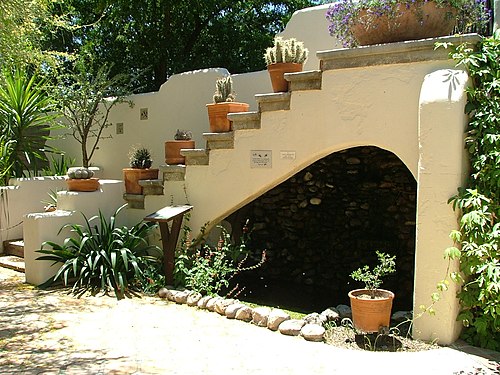
Casas Adobes is a unique census-designated place (CDP) located in Pima County, Arizona, in the United States. As part of the Tucson metropolitan area, it lies approximately 10 miles northwest of downtown Tucson. The area is characterized by its suburban atmosphere and diverse residential communities, which include a mix of single-family homes, townhouses, and condominiums. One of the defining features of Casas Adobes is its notable history; the region is named after the Spanish term for "Adobe houses," which reflects the architectural heritage prevalent in the area. The community was originally established in the late 1960s and early 1970s, attracting residents drawn by the scenic surroundings of the Sonoran Desert and the proximity to urban amenities.
Casas Adobes is noted for its natural beauty and outdoor recreational opportunities. Nearby attractions include the serene landscape of the nearby Catalina Mountains, which offer hiking, biking, and stunning views of the Arizona desert. The community is also home to several parks and open spaces, providing residents with spaces for leisure and social activities. The area has a typically warm desert climate, characterized by hot summers and mild winters, making it an ideal location for outdoor enthusiasts. Additionally, Casas Adobes offers a variety of shopping, dining, and entertainment options, with local businesses thriving alongside larger retail centers. The educational needs of the community are served by several public and charter schools, contributing to the area's family-friendly environment.
Demographically, Casas Adobes boasts a diverse population, reflecting a mix of cultures and backgrounds, which contributes to its vibrant community spirit. According to the latest census data, the population is over 15,000 residents, with a significant portion of families and retirees choosing to call this place home. The community emphasizes a sense of belonging and neighborly interaction, bolstered by various local events and organizations. Overall, Casas Adobes represents a blend of natural beauty, suburban convenience, and a tight-knit community, making it an appealing location for those seeking a balance of tranquility and accessibility in the heart of Southern Arizona.
Facts about Casas Adobes
- Casas Adobes is a census-designated place (CDP) located in Pima County, Arizona, and it is primarily known for its distinct adobe-style architecture.
- The community was originally developed in the 1940s, focusing on preserving the desert landscape and natural environment, which sets it apart from typical suburban developments.
- In 1959, Casas Adobes was one of the first planned communities in the United States to offer resort-style amenities, including a golf course and a country club, emphasizing leisure and community living.
- Casas Adobes is home to the Casas Adobes Plaza, a hub for shopping and dining that reflects the local culture and provides a unique blend of retail options uniquely tailored for its residents.
- The area has a significant Hispanic heritage, influencing its local festivals, restaurants, and cultural events that celebrate traditions distinct to the region and the broader Southwest.
- Casas Adobes hosts an annual Fourth of July celebration, featuring fireworks, live music, and community activities that bring residents together and highlight the town's community spirit.
- The neighboring landscapes of the Santa Catalina Mountains provide outdoor recreational opportunities, including hiking trails that showcase the area's natural beauty and biodiversity.
- Casas Adobes is known for its family-friendly atmosphere, featuring parks and recreational facilities that are often recognized for their cleanliness and accessibility.
- The town has a low population density, offering residents a sense of privacy and spaciousness not typically found in larger urban areas across the country.
- Casas Adobes is part of the Tucson metropolitan area, allowing residents to enjoy the benefits of a smaller community while still having access to the cultural and economic opportunities available in a larger city.