Cascina, Italy
- 40,512 people
- 16 places to visit
- 43.685, 10.5003
Places to Visit (16)
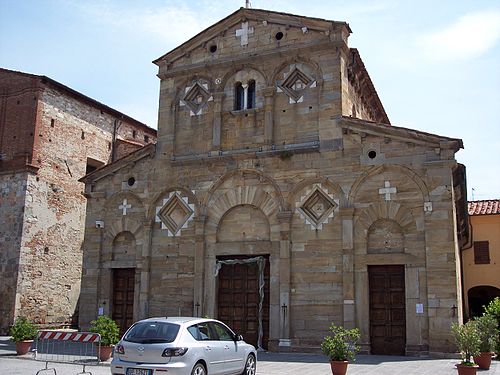
Cascina is a charming town located in the Tuscany region of Italy, specifically in the province of Pisa. Positioned just a few kilometers from the city of Pisa, it serves as a key suburban area, contributing to the broader metropolitan landscape. With a population of approximately 16,000 residents, Cascina has a rich history that dates back to the Roman period, though much of its modern development occurred during the Middle Ages. The town is characterized by its picturesque streets, historical architecture, and a vibrant community that blends traditional Italian culture with contemporary life.
Cascina is known for its agricultural landscape, which is typical of the Tuscan countryside. The surrounding area is dotted with farms and vineyards, reflecting the region's strong agricultural heritage. The economy of Cascina has evolved over the years; while it was once predominantly agrarian, it now includes light industry and services. The town also boasts various cultural and recreational amenities, including parks, shops, and restaurants that highlight local cuisine. Events and festivals throughout the year, such as the Palio di Cascina, celebrate the town's traditions, drawing visitors both from nearby areas and afar.
Cascina’s strategic location makes it an ideal base for exploring the wider region of Tuscany. The town is well-connected by public transport, facilitating easy access to notable cities like Pisa, Florence, and Livorno. Cultural and historical sites in the vicinity attract tourists, while the scenic beauty of the surrounding countryside invites outdoor enthusiasts. Whether one is interested in history, nature, or gastronomy, Cascina offers a blend of experiences that reflect the essence of the Tuscan way of life, making it a noteworthy destination within Italy.
Facts about Cascina
- Cascina is a town located in the province of Pisa in Tuscany, known for its proximity to the historic city of Pisa and the Leaning Tower.
- The town has a rich agricultural history, primarily centered around the cultivation of rice and other crops in the fertile lands along the Arno River.
- Cascina is home to the annual 'Festa di San Giovanni,' a local festival celebrating the patron saint with various cultural activities, food stalls, and music.
- The city's architecture features a blend of medieval and Renaissance styles, with notable structures such as the Church of San Giovanni Evangelista.
- Cascina played a significant role during World War II as a battleground and was impacted by the military strategies of the Allies and Axis forces.
- The territory of Cascina is known for its scenic countryside, which includes beautiful vineyards and olive groves contributing to the Tuscan wine production.
- Cascina has a vibrant community life with various local associations and cultural organizations that promote traditional crafts and local gastronomy.
- The 'Via Francesca' historic road runs through Cascina, linking it to the larger pilgrimage routes in Tuscany, making it of interest to walking and cultural tourism.
- Cascina hosts the 'Mercato del Contadino,' a weekly farmer's market that showcases local produce, artisanal bread, and homemade goods, reflecting the region's culinary heritage.
- The city is also known for its sporting events, particularly its local soccer team, which competes in regional leagues and has a dedicated fan base.