Casco Histórico de Vicálvaro, Spain
- 35,519 people
- 11 places to visit
- 40.404, -3.6042
Places to Visit (11)
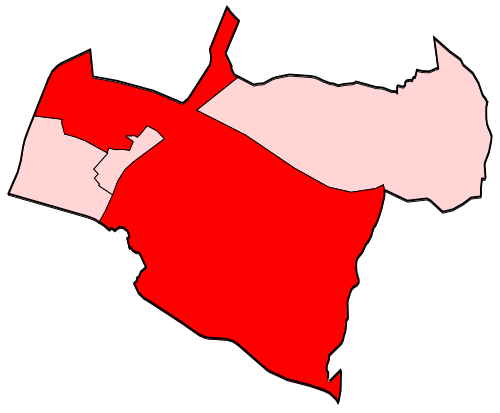
Casco Histórico de Vicálvaro is a notable historical area located within the district of Vicálvaro in the eastern part of Madrid, Spain. Traditionally an independent municipality, Vicálvaro was integrated into Madrid in 1950. The neighborhood is characterized by its small-town atmosphere and rich history, with roots tracing back to the medieval period. One of the most significant landmarks is the Church of San Juan Bautista, dating back to the 16th century. This church showcases a blend of Gothic and Mudejar architectural styles and serves as a central point for local community activities and religious gatherings.
The town's historical center offers a glimpse into its agrarian past, featuring narrow streets lined with traditional houses and local shops. This area contrasts sharply with the urban landscape of modern Madrid but maintains its charm through the preservation of its cultural heritage. The neighborhood is also known for its lively local markets and festivals which celebrate traditional Spanish culture. Additionally, the Vicálvaro district is home to several parks that provide recreational spaces for residents and visitors alike. Today, Casco Histórico de Vicálvaro maintains its identity as a quaint yet vibrant community, balancing the historical with the contemporary while attracting both tourists and locals seeking a respite from the urban pace of Madrid.
Facts about Casco Histórico de Vicálvaro
- Casco Histórico de Vicálvaro is a historic neighborhood in the municipality of Madrid, notable for its medieval origins dating back to the 11th century.
- The area was once a separate village before its integration into the city of Madrid in 1950, preserving a unique sense of identity.
- Vicálvaro is home to the Iglesia de Santa María la Antigua, a 13th-century church known for its distinctive Mudéjar architectural style.
- The neighborhood features remnants of the old town wall, which provides a glimpse into its historical defensive structures.
- Vicálvaro is notable for its cultural events, including the annual 'Fiestas de San Juan,' which celebrate the local patron saint with vibrant festivities.
- The town hosts the historic Casa de los Sastres, a building that reflects local craftsmanship and the evolution of the textile industry in the region.
- Casco Histórico de Vicálvaro has a strong sense of community, with numerous local associations dedicated to preserving the neighborhood's heritage and organizing cultural activities.
- The area's blend of modernity and history offers a unique aspect, with new developments alongside preserved historic buildings.
- Vicálvaro is recognized for its green spaces, including parks that provide a natural refuge within the urban setting of Madrid.
- The district has a diverse population, reflecting the dynamic nature of Madrid's neighborhoods while maintaining its distinct historical character.