Cassino, Italy
- 21,074 people
- 14 places to visit
- 41.4919, 13.8319
Places to Visit (14)
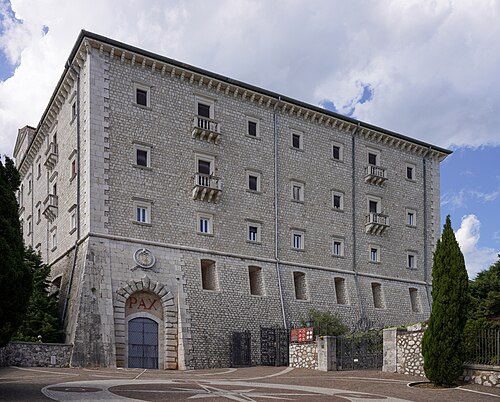
Cassino is a town in the province of Frosinone, located in the Lazio region of Italy. Situated approximately 130 kilometers southeast of Rome, it lies at the confluence of the Gari and Rapido rivers. Cassino has a rich historical and cultural heritage, with roots that trace back to ancient times. The town is known for its significant role during World War II, particularly during the historic Battle of Cassino in 1944. This battle, part of the Italian Campaign, involved intense fighting between Allied forces and German troops, resulting in widespread destruction but also a pivotal moment in the eventual Allied victory in Italy. The destruction of the Benedictine monastery, Monte Cassino, which was a renowned cultural and spiritual center, marked one of the war's most tragic events.
Today, Cassino is recognized not only for its historical significance but also for its vibrant community and economic activities. The town has a population of around 20,000 residents and serves as an important hub for agriculture and commerce in the region. Cassino’s economy benefits from its proximity to major transport routes, including the A1 Autostrada, which connects it to Rome and Naples. Additionally, the local economy is supported by tourism, drawn by the Monte Cassino Abbey, which was rebuilt after the war and now stands as a symbol of peace and resilience. The abbey, founded by Saint Benedict in the 6th century, continues to be a pilgrimage site, attracting visitors interested in its beautiful architecture and its historical significance.
Cassino also boasts a variety of cultural and recreational activities. The town hosts several annual festivals, reflecting its rich traditions and community spirit. The surrounding countryside offers opportunities for hiking and exploring the natural beauty of the region, including the nearby Ciociaria hills. Cassino’s blend of history, culture, and natural beauty makes it an intriguing destination for both residents and visitors, contributing to its status as an important center in the Lazio region.
Facts about Cassino
- Cassino is home to the historic Abbey of Montecassino, founded in 529 AD by St. Benedict, making it one of the most important monasteries in Western Christianity.
- The city was the site of a significant World War II battle in 1944, known as the Second Battle of Cassino, which played a crucial role in the Italian Campaign and involved fierce fighting between Allied and Axis forces.
- Cassino's landscape is marked by the Liri Valley and surrounding mountains, offering stunning views and unique outdoor activities that distinguish it from many other Italian towns.
- The town has a rich ancient history, originally founded by the ancient Romans as a military stronghold, and it retains archaeological sites that showcase its historical significance.
- Cassino is located at a key crossroads of transport between Rome and Naples, making it an essential hub for both trade and military strategy throughout its history.
- Every year, Cassino hosts the 'Festival of Saints Benedict and Scholastica,' a celebration that draws visitors for cultural events that celebrate its monastic heritage.
- The city's modern amenities and historical treasures coalesce, particularly visible in its contemporary architecture that contrasts with ancient sites like the Abbey.
- Cassino has been heavily rebuilt after World War II, resulting in unique post-war architecture that showcases resilience and modern urban planning.
- The town is known for its traditional local cuisine, particularly the 'gnocchi di patate' and 'strascinati,' which reflect the culinary heritage of the Lazio region distinctively.
- Cassino also honors the memory of those who fought in the war with several monuments and memorials, including the Monte Cassino War Cemetery, which serves as a solemn reminder of the past.