Castanhal, Brazil
- 137,406 people
- 8 places to visit
- -1.2935, -47.9246
Places to Visit (8)
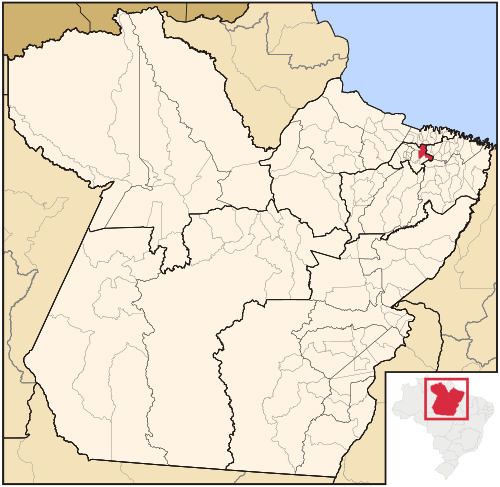
Castanhal is a municipality located in the northeastern part of Brazil, specifically in the state of Pará. Known for its cultural diversity and vibrant economy, Castanhal is situated approximately 66 kilometers from Belém, the capital of Pará. With a population of around 140,000 residents, the city serves as an important hub for commerce and agriculture in the region. The city's economy is significantly influenced by agriculture, particularly the cultivation of açaí, cassava, and rice, which thrive in Pará's fertile lands. In addition to agriculture, Castanhal has developed a range of small- and medium-sized enterprises, advancing local industry and commerce.
The city’s history dates back to the 18th century when it was founded by Portuguese colonizers. Over the years, it has evolved from its agricultural roots to become a key player in Pará’s urbanization process. Castanhal is recognized for its unique cultural festivals, including the popular Festas Juninas, which celebrate the feast days of various saints through music, dance, and traditional foods. The city's infrastructure includes schools, hospitals, and transportation networks that support its growing population. Castanhal also boasts beautiful natural surroundings, with several rivers and green areas that attract both residents and visitors. Overall, Castanhal embodies a blend of tradition and modernity, making it a notable city within Pará and Brazil as a whole.
Facts about Castanhal
- Castanhal is known as the 'Verde de Sapucaia' due to its rich biodiversity and green landscape, distinguishing it from many urban areas in Brazil.
- The city is a significant agricultural hub in the state of Pará, particularly famous for its production of açaí berries and other fruits that thrive in the Amazonian climate.
- Castanhal hosts the annual 'Festa do Açaí', celebrating the importance of this fruit in local culture and economy, which is unique to areas heavily relying on this crop.
- The city's economy is bolstered by a mix of agriculture, commerce, and industry, but it remains distinctly smaller in industrial scale compared to nearby Belém.
- Castanhal is home to the historic Church of Nossa Senhora da Conceição, built in the early 20th century, which serves as a central landmark and a point of cultural significance.
- The city has a vibrant local market scene, with a mix of indigenous and traditional Brazilian crafts, setting it apart from larger cities where such local flavors can get overshadowed.
- Castanhal was founded in 1864 and has a unique history of development that reflects the broader transformation of the Amazon region over the past century.
- The municipality is known for its traditional festivals and cultural events that showcase the heritage of the indigenous populations and the influences of Portuguese colonization.
- Castanhal's geographical location makes it a gateway for travelers exploring the biodiversity of the Amazon rainforest, providing a distinct blend of urban and natural experiences.
- The city has developed unique culinary offerings that incorporate local ingredients, such as dishes featuring fish from the Amazon, providing a regional taste unlike that of Brazil's major metropolitan centers.