Castelo Branco, Portugal
- 33,479 people
- 8 places to visit
- 39.8197, -7.4965
Places to Visit (8)
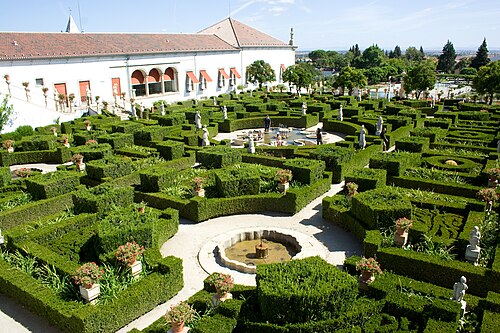
Castelo Branco is a charming city located in the central part of Portugal, serving as the capital of the Castelo Branco District. Nestled near the foothills of the Serra da Gardunha and along the banks of the Enxarrique River, the city has a rich historical heritage that dates back to the Roman era. Its strategic location has made it an important center for trade and agriculture throughout the centuries. The city is known for its unique blend of historical architecture, natural beauty, and cultural significance, making it a popular destination for both tourists and locals.
Among Castelo Branco's most notable landmarks is the impressive Castelo de Castelo Branco, a castle built in the 12th century, which offers panoramic views of the surrounding countryside. The city's historic center features well-preserved examples of traditional Portuguese architecture, including the picturesque Jardim do Paço, a beautifully landscaped garden adorned with statues and fountains. Additionally, the city's rich cultural offerings include museums, such as the Museu Cargaleiro, which showcases contemporary art, and the Museu de Francisco Tavares Proença Júnior, dedicated to regional history and archaeological finds. The local gastronomy highlights traditional dishes, with an emphasis on meats, cheeses, and regional wines.
Castelo Branco is also famous for its textile industry, particularly the production of the vibrant "trilhos" or woolen textiles, which have become synonymous with the region's artisanal craftsmanship. The city's lively festivals and events, including the annual Fibreno International Festival, celebrate local culture and the arts, drawing visitors from across the region. With its historical significance, artistic heritage, and stunning landscapes, Castelo Branco embodies a unique blend of tradition and modernity, making it a notable destination in Portugal.
Facts about Castelo Branco
- Castelo Branco is known for its stunning Jardim do Paço, a 19th-century Baroque garden that features topiary, fountains, and ornamental ponds, setting it apart from other parks in Portugal.
- The city is famous for its unique hand-painted ceramics, particularly the traditional 'azulejos' that depict local history and culture, distinguishing its artistic style from other regions.
- Castelo Branco is recognized for being an important historical center during the Portuguese Restoration War (1640-1688), playing a significant role in Portugal's fight for independence from Spain.
- In 2023, Castelo Branco was awarded the title of 'European City of Sport,' highlighting its commitment to promoting physical activities and sporting events in the region.
- The city features the 12th-century Castelo de Castelo Branco, a well-preserved castle that offers panoramic views of the surrounding landscape, making it a significant historical landmark.
- Castelo Branco has a rich tapestry of cultural festivals, including the annual Feira de São Miguel, which celebrates local traditions and craftsmanship, unlike more commercialized festivals in larger cities.
- The region surrounding Castelo Branco is known for its unique geological formation, providing a home for diverse flora and fauna, which attracts nature enthusiasts and researchers alike.
- Castelo Branco is renowned for its sweet specialty, the 'Pudim de Castelo Branco,' a traditional dessert made with egg yolks and sugar, setting it apart in Portugal's diverse culinary landscape.
- The city houses the Museu Cerveira, dedicated to the local history of beer production, offering insights into one of the region's lesser-known industries.
- Castelo Branco’s unique blend of historical architecture, including Roman ruins and Gothic churches, creates a distinctive urban landscape that highlights its diverse historical influences.