Castro-Urdiales, Spain
- 31,670 people
- 9 places to visit
- 43.3688, -3.2156
Places to Visit (9)
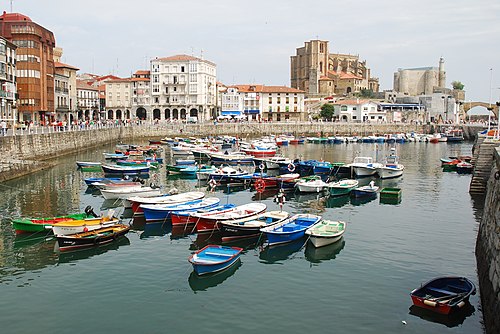
Castro-Urdiales is a coastal city located in the province of Cantabria, Spain. Situated at the eastern end of the Bay of Biscay, it lies about 30 kilometers to the east of Santander and approximately 50 kilometers west of Bilbao. The city boasts a rich history that dates back to Roman times, when it was known as "Flaviobriga," a significant port and trading center. Today, Castro-Urdiales is recognized for its historical significance, attractive seaside views, and vibrant cultural life. The population is around 23,000 residents, making it a modest yet lively urban hub.
Architecturally, Castro-Urdiales is renowned for its historical buildings, notably the Church of Santa María de la Asunción, a striking example of Gothic architecture that dates back to the 13th century. The city is also characterized by its bustling fishing harbor, picturesque beaches, and a charming old town featuring narrow cobbled streets and traditional Spanish structures. The Castle of Santa Ana, which stands prominently on a rocky outcrop overlooking the sea, is another landmark, offering panoramic views of the coastline and acting as a reminder of the town's medieval past. Castro-Urdiales is not only a hub for tourism but also a center for agriculture and fishing, reflecting its deep connection to the Cantabrian Sea.
In addition to its historical and cultural offerings, Castro-Urdiales hosts numerous festivals throughout the year, celebrating local customs and traditions, including the famous Fiestas de Santa María, which take place each summer. The city is well-connected by road and rail, making it accessible for visitors exploring the northern region of Spain. Its combination of stunning coastal scenery, rich history, and active community life makes Castro-Urdiales a unique destination that attracts both tourists and locals alike. The city stands as a testament to the blend of natural beauty and historical depth that defines much of Cantabria, providing a glimpse into the cultural and maritime heritage of the region.
Facts about Castro-Urdiales
- Castro-Urdiales is known for its stunning Gothic-style church, Santa María de la Asunción, which dates back to the 13th century and is a key example of Spanish Gothic architecture.
- The town features the impressive Castillo de Santa Ana, a castle that overlooks the sea and has historical significance dating back to the 14th century.
- Castro-Urdiales was an important fishing port and commercial center in medieval times, which played a significant role in the Cantabrian Sea trade routes.
- The town is recognized for its beautiful coastal promenade, which offers scenic views of the Cantabrian Sea and connects key landmarks like the church and the castle.
- Castro-Urdiales hosts the famous annual 'Feria de la Anchoa', a festival dedicated to anchovies, celebrating the town's seafood heritage and attracting visitors from all over Spain.
- The local cuisine is renowned for its seafood dishes, particularly the 'anchoas de Castro', or Castro anchovies, which are considered among the best in Spain.
- The town's architectural mix includes both medieval and modern elements, standing out in contrast to many other towns in Spain that maintain a more uniform historical style.
- Castro-Urdiales is part of the Basque Country, but it has a unique Cantabrian character, blending Basque traditions with its own distinct identity.
- The city is known for its vibrant fishing industry, with a traditional fishing culture that continues to influence local life and festivities.
- Every summer, Castro-Urdiales hosts the 'Semana Grande', a week-long festival featuring traditional music, dances, and a wide variety of cultural events, drawing locals and tourists alike.