Castro Valley CA, United States
- 61,388 people
- 15 places to visit
- 37.6955, -122.0739
Places to Visit (15)
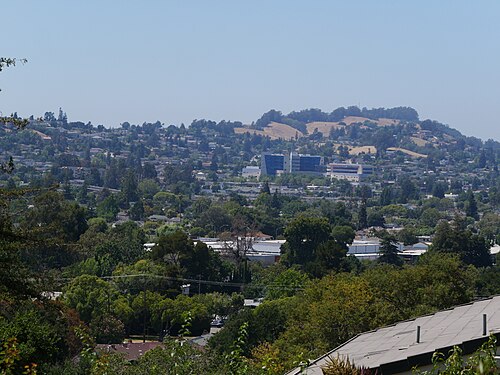
Castro Valley is a suburban census-designated place located in Alameda County, California, nestled in the San Francisco Bay Area. It lies approximately 20 miles southeast of San Francisco and 30 miles southwest of Oakland. Originally inhabited by the Ohlone people, the area witnessed significant changes following European settlement in the mid-19th century, particularly during the California Gold Rush era. The region was primarily agricultural, with settlers establishing farms and ranches. The name "Castro Valley" comes from the early land grants made to Don José María Castro, an influential figure in California's history. Today, Castro Valley is characterized by a mix of suburban residential areas, commercial districts, and open spaces, featuring parks and nature trails that enhance the quality of life for its residents.
The population of Castro Valley is approximately 63,000 and has seen steady growth due to its appeal to families and individuals seeking a quieter lifestyle while remaining close to urban amenities. The community is known for its highly regarded public school system, with schools often receiving high ratings for academic performance and extracurricular opportunities. The local economy is diverse, with key sectors including retail, healthcare, and education. Castro Valley's commercial areas contribute to its vibrant atmosphere, with numerous restaurants, shops, and services that reflect the cultural diversity of the population. The CTA (Castro Valley Transit Agency) provides public transportation options, enhancing accessibility to neighboring cities and the broader Bay Area.
Outdoor enthusiasts appreciate Castro Valley for its proximity to various parks and recreational areas, including Lake Chabot Regional Park, which offers hiking, fishing, and biking opportunities amidst scenic natural surroundings. The city hosts annual events and community activities that foster a strong sense of belonging among residents, including farmers' markets, festivals, and sports leagues. With its blend of suburban charm, community spirit, and convenient access to urban centers, Castro Valley continues to be an attractive destination for those looking to enjoy the benefits of Bay Area living in a more relaxed setting.
Facts about Castro Valley
- Castro Valley is known for its rich agricultural history, particularly in the production of peaches and cherries during the late 19th century.
- The town is home to Lake Chabot Regional Park, which offers over 20 miles of hiking trails and a large lake for fishing and boating, making it a popular outdoor destination within the East Bay region.
- Castro Valley has a unique local event known as the Castro Valley Street Art Festival, showcasing local artists and increasing community engagement and cultural expression.
- In 2015, Castro Valley was designated as a California State Historical Landmark due to its history and contributions to the agricultural industry.
- The town is also recognized for its annual Castro Valley Fall Festival, which features local vendors, crafts, and entertainment, celebrating the community's diversity.
- Castro Valley has a strong local community spirit, with a number of active neighborhood associations and community projects focusing on improvement and sustainability.
- The Castro Valley School District is highly regarded, having received multiple awards and recognition for its educational programs and student achievements.
- Castro Valley's proximity to the San Francisco Bay Area provides its residents with easy access to major metropolitan amenities while retaining a suburban feel.
- The town is home to the Castro Valley Marketplace, a popular shopping destination that reflects the local small business community and promotes local artisans.
- Historically, the first wave of significant population growth in Castro Valley occurred during World War II, as it became a prime residential area for workers in nearby factories and shipyards.