Catamarca, Argentina
- 159,139 people
- 9 places to visit
- -28.4696, -65.7795
Places to Visit (9)
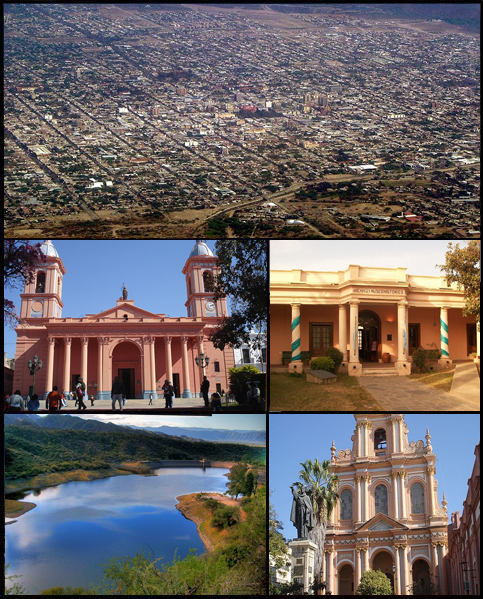
Catamarca is a city located in the northwest region of Argentina, serving as the capital of the Catamarca Province. Founded in 1683, it sits at an elevation of approximately 1,300 meters (4,265 feet) in the foothills of the Andes Mountains, making it one of the highest cities in the country. The city is characterized by its distinct arid climate, with hot summers and mild winters, contributing to its unique landscape that is predominantly desert with occasional green valleys fed by the nearby rivers. The population is around 150,000 inhabitants, providing a small-town feel while serving as an important cultural and economic hub in the region.
Catamarca is known for its rich history and vibrant culture, which is reflected in its charming colonial architecture, particularly in the historic center where the Cathedral of Catamarca is a prominent landmark. The city boasts a number of cultural institutions, including museums and theaters, which celebrate both local heritage and contemporary art. The traditional handicrafts of the region, such as textiles and pottery, are integral to its identity, with many artisans continuing to produce works using techniques passed down through generations. Additionally, Catamarca is famous for its annual festivals like the Fiesta del Poncho, which showcases local music, dance, and culinary delights.
Economically, Catamarca's development is supported by agriculture, mining, and tourism. The region is rich in mineral resources, including copper, lithium, and other minerals, attracting mining activities that contribute significantly to its economy. Agriculture thrives on the fertile valleys, producing crops like olives, grapes, and various fruits that are well-suited to the region's climate. The city's proximity to natural attractions such as the Sierra de Ambato and the Talampaya National Park makes it a gateway for outdoor enthusiasts, with opportunities for trekking, rock climbing, and exploring the diverse ecosystems. This combination of cultural richness, economic activity, and natural beauty makes Catamarca a unique and vital part of Argentina's landscape.
Facts about Catamarca
- Catamarca is known for its unique blend of pre-Columbian and colonial history, featuring archaeological sites such as the ruins of the ancient indigenous city of 'La Puerta'.
- The city is famous for its annual festival of 'Fiesta Nacional del Poncho', which celebrates traditional gaucho culture and includes music, dance, and local crafts.
- Catamarca is home to the country's highest peaks in the Sierra de Catamarca mountain range, including the stunning Mount Pissis, which reaches an elevation of 6,793 meters (22,287 feet).
- The Cathedral of Catamarca, built in the 18th century, showcases a unique Baroque architectural style, distinguishing it from many other cathedrals in Argentina.
- The region is notable for its production of high-quality ceramics, particularly the renowned 'Azulejos' tiles, which reflect the area's rich artisanal traditions.
- Catamarca hosts the 'Ruta del Adobe', a Route of Adobes, which showcases traditional adobe architecture characteristic of the region, setting it apart from other Argentinian provinces.
- The city has a semi-arid climate, which allows for the cultivation of unique local grape varieties, contributing to its emerging wine tourism sector.
- Catamarca is the only province in Argentina that boasts a national park entirely dedicated to the preservation of the endangered Andean condor, providing critical conservation efforts.
- The historic town of Fiambalá, located in Catamarca, is famous for its hot springs and is considered one of the oldest settlements in the region, with a rich history dating back to pre-Hispanic times.
- Catamarca has a vibrant artisan tradition, particularly known for its 'Chañar' woodcrafts and textiles, which are unique to the region and reflect the local indigenous influence.