Catania, Italy
- 311,584 people
- 17 places to visit
- 37.5079, 15.083
Places to Visit (17)
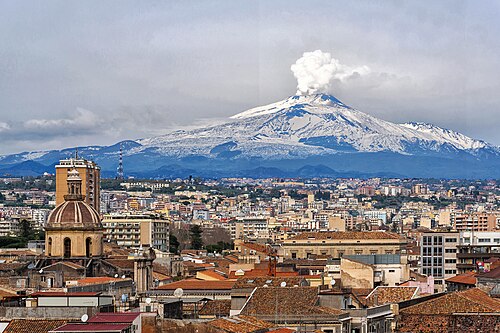
Catania, a vibrant city located on the eastern coast of Sicily, Italy, is known for its rich history, stunning architecture, and proximity to Mount Etna, Europe’s highest and most active volcano. Founded by the Greeks in the 8th century BC, Catania has been shaped by various civilizations, including the Romans, Byzantines, Arabs, Normans, and Spaniards, each leaving a distinct mark on the city’s cultural and architectural landscape. The historic center of Catania is recognized as a UNESCO World Heritage site, celebrated for its Baroque architecture, especially its striking piazzas, churches, and palaces that were reconstructed after a devastating earthquake in 1693.
Catania is also famous for its culinary offerings, which reflect the diverse influences of its multicultural past. Traditional Sicilian dishes such as arancini (stuffed rice balls), pasta alla Norma, and fresh seafood are staples in local restaurants. The city hosts bustling markets, like the vibrant Pescheria fish market, where visitors can experience the lively atmosphere and sample local delicacies. In addition to its gastronomic allure, Catania boasts a dynamic cultural scene, with numerous festivals, concerts, and art exhibitions throughout the year. Notable landmarks include the magnificent Catania Cathedral, which houses the tomb of the city’s patron saint, Saint Agatha, and the Roman amphitheater, a testament to the city’s ancient heritage.
Catania serves as a gateway to exploring the surrounding natural beauty and attractions of Sicily, including the picturesque towns of Taormina and Siracusa, as well as the stunning beaches along the coastline. The city is well-connected by public transport, making it easily accessible for visitors. With its mix of historical significance, culinary delights, and breathtaking landscapes, Catania offers a unique glimpse into the heart of Sicilian culture and history, making it a must-visit destination in Italy.
Facts about Catania
- Catania is located at the foot of Mount Etna, which is Europe's most active volcano and a UNESCO World Heritage site.
- The city's layout was heavily influenced by the 1693 earthquake, which led to a significant reconstruction in the Baroque style, making Catania a UNESCO World Heritage site in its own right.
- Catania's historical center features a unique mix of Baroque architecture and Roman ruins, including the well-preserved Roman amphitheater beneath the city.
- The city is known for its black and white architecture, predominantly using local lava stone, contrasting with the white limestone of the more famous Baroque cities like Noto and Modica.
- Catania has a rich culinary tradition, famous for its street food, particularly arancini (fried rice balls) and sfincione (a type of pizza).
- The city hosts the annual Catania Film Fest, which attracts filmmakers and cinema enthusiasts from around the world.
- Catania is home to the University of Catania, founded in 1434, making it one of the oldest universities in Italy and a prominent educational institution in Sicily.
- The Feast of Saint Agatha, Catania's patron saint, is celebrated in February and is one of the largest religious festivals in Italy, attracting crowds and featuring elaborate processions.
- Catania is known for its vibrant markets, including the historic Fish Market (La Pescheria), where locals buy fresh seafood and other local produce.
- The historical significance of Catania is highlighted by its several ancient sites, such as the Ursino Castle, which was built in the 13th century and served as a royal residence.