Caxias do Sul, Brazil
- 381,270 people
- 20 places to visit
- -29.174, -51.1812
Places to Visit (20)
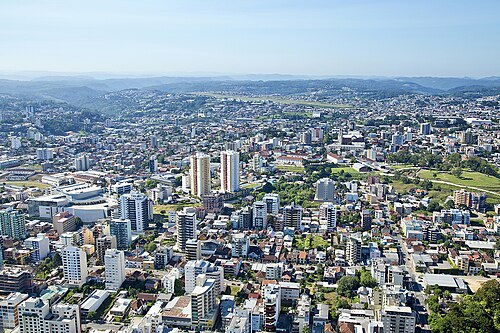
Caxias do Sul is a prominent city located in the southern Brazilian state of Rio Grande do Sul. Founded on July 20, 1890, the city has evolved significantly from its early days as a small settlement established by Italian immigrants seeking a better life. It is now the second-largest municipality in the state and a vital economic hub within the Serra Gaúcha region. The city serves as the economic center for the region, known for its strong industrial base, particularly in metalworking, machinery, and furniture manufacturing. Caxias do Sul is also renowned for its high-quality wine production, benefiting from the favorable climate and rich soil of the surrounding Serra Gaúcha area, contributing to the state's reputation as a major wine-producing region in Brazil.
Caxias do Sul boasts a diverse cultural heritage, heavily influenced by its Italian roots, which is evident in the local cuisine, festivals, and traditions. The city hosts several cultural events throughout the year, the most notable being the Festa da Uva, a traditional grape festival that celebrates the region's wine production and attracts tourists from across Brazil and beyond. This festival features parades, music, and a variety of gastronomic offerings that highlight the city’s culinary delights. Additionally, Caxias do Sul is home to several educational institutions, contributing to its vibrant community and workforce development. The city's strategic location near the capital, Porto Alegre, along with its well-developed infrastructure, including highways and an airport, further enhances its attractiveness to businesses and residents alike. Overall, Caxias do Sul embodies a unique blend of cultural richness and economic vitality, making it a key player in Brazil's southern region.
Facts about Caxias do Sul
- Caxias do Sul is known as the wine capital of Brazil, hosting the annual Festa da Uva (Grape Festival), which celebrates the region's rich Italian heritage and viticulture.
- The city has a significant Italian influence, evident in its architecture, cuisine, and cultural traditions, stemming from the large influx of Italian immigrants in the late 19th century.
- Caxias do Sul is home to the largest Italian community in Brazil, which contributes to its distinct cultural identity and variety of traditional Italian festivals.
- The city plays host to the largest steelworks in the southern hemisphere, the CSN (Companhia Siderúrgica Nacional), making it a major industrial hub in Brazil.
- Caxias do Sul is known for its strong educational institutions, including several notable universities such as the Universidade de Caxias do Sul (UCS), which emphasizes technology and innovation.
- The city features the Monumento Nacional ao Imigrante, a significant structure commemorating the Italian immigrants who settled in the region and shaped its development.
- Caxias do Sul has a vibrant cultural scene, with various theaters, museums, and cultural centers that celebrate local art and history.
- It is recognized for its beautiful natural surroundings, including the nearby Serra Gaúcha, which attracts tourists seeking outdoor activities like hiking and wine tours.
- Caxias do Sul was officially founded on June 20, 1890, and has since grown from a small settlement into one of the largest cities in the state of Rio Grande do Sul.
- The city is an industrial center, particularly known for its production of furniture and automotive parts, setting it apart from other Brazilian cities primarily focused on agriculture.