Celbridge, Ireland
- 20,288 people
- 10 places to visit
- 53.3388, -6.5394
Places to Visit (10)
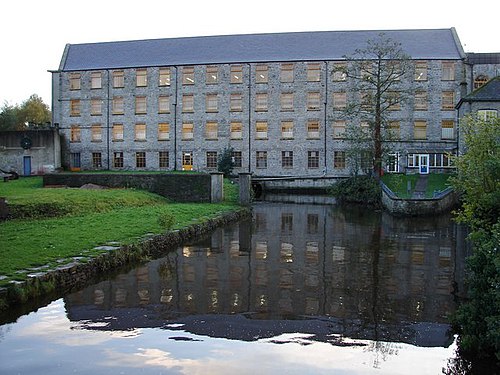
Celbridge is a picturesque town located in County Kildare, Ireland, approximately 25 kilometers west of Dublin city center. Nestled along the banks of the River Liffey, it has a rich history that dates back to the 12th century. The town developed significantly in the 17th and 18th centuries, primarily due to its proximity to Dublin and its strategic location along key trade routes. Celbridge's population has grown substantially over the past few decades, evolving from a small village into a thriving suburban town that retains much of its historical charm while accommodating modern living.
Key landmarks in Celbridge reflect its historical significance and cultural heritage. The town is home to the renowned Celbridge Abbey, established in the 1700s, which was once a private residence for the Eustace family. Nearby, the picturesque Castletown House, the largest and one of the earliest Palladian-style houses in Ireland, is set within expansive grounds and gardens, showcasing the town's architectural legacy. The area around Celbridge is also dotted with various natural attractions, including parks and walking trails that line the scenic River Liffey, making it a haven for outdoor enthusiasts. The town has a vibrant community life, supported by local shops, restaurants, and recreational facilities, contributing to its reputation as a desirable place to live.
Celbridge maintains strong transport links, with regular bus and train services connecting it to Dublin and other neighboring towns. This accessibility has rendered it an attractive location for commuters and those seeking a quieter lifestyle while still enjoying the conveniences of city living. The town has seen continuous development, with new residential areas and infrastructure projects underway to support its growing population. Overall, Celbridge embodies a blend of history, culture, and modernity, making it a captivating destination for residents and visitors alike.
Facts about Celbridge
- Celbridge is known for its rich history, particularly as the birthplace of the famous Irish revolutionary leader, Charles Stewart Parnell.
- The town is home to the historic Castletown House, which is Ireland's first Palladian-style house and a prime example of Georgian architecture.
- Celbridge was once a thriving market town and has retained many of its traditional market characteristics, making it unique among suburban areas in Ireland.
- The River Liffey flows through Celbridge, offering scenic views and recreational opportunities, distinguishing it from many inland towns.
- Celbridge has a vibrant arts scene, hosting numerous community events and festivals that celebrate local culture and heritage.
- The town is located just 25 kilometers west of Dublin city center, making it a popular choice for commuters while maintaining its own distinct identity.
- Celbridge features the picturesque Celbridge Abbey, which dates back to the 18th century and is a notable point of interest.
- The Celbridge area was influenced by the arrival of the Anglo-Normans in the 12th century, giving it a unique Anglo-Irish heritage.
- The town has a number of preserved historical sites, including the rehabilitated Mill in the village that showcases its industrial past.
- Celbridge hosts the annual Celbridge Arts Festival, which brings together local and national artists, musicians, and performers to celebrate creativity.