Celje, Slovenia
- 37,872 people
- 12 places to visit
- 46.2397, 15.2677
Places to Visit (12)
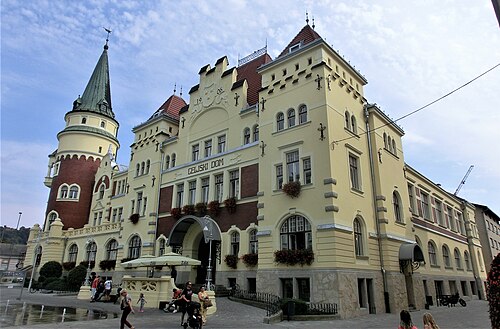
Celje is the third-largest city in Slovenia, situated in the eastern part of the country along the Savinja River. With a population of approximately 38,000 residents, it serves as an important economic, cultural, and educational center. The city's history dates back to Roman times, when it was known as Celeia, a significant settlement that thrived due to its advantageous location on trade routes. The remnants of this Roman heritage can still be seen in the ruins of an ancient amphitheater, city walls, and various archaeological finds scattered throughout the area.
Celje gained further prominence in the Middle Ages, particularly during the era of the Counts of Celje, a powerful noble family that played a crucial role in the region's history in the 14th and 15th centuries. The family's influence is still evident today, particularly in the iconic Celje Castle, perched on a hill overlooking the city. This medieval fortress is a major tourist attraction, offering panoramic views and insights into the region's feudal past. The city's blend of history and modernity is also reflected in its architecture, where medieval buildings coexist with contemporary structures, creating a unique urban landscape. Celje hosts several cultural events, such as the annual Celje Summer Festival, which features music, theatre, and art, showcasing the city's vibrant community.
In addition to its rich historical narrative, Celje is known for its economic vitality, driven by various industries including manufacturing, commerce, and services. The city is also home to educational institutions, including the Faculty of Engineering of the University of Maribor, contributing to the region's focus on innovation and development. As a gateway to the surrounding natural beauty, Celje boasts easy access to hills, rivers, and recreational areas, making it an attractive destination for outdoor enthusiasts. This harmonious blend of history, culture, economic activity, and natural beauty makes Celje a significant and appealing place within Slovenia.
Facts about Celje
- Celje is known as the 'City of Counts' because it was the seat of the powerful Counts of Celje, a noble family that played a significant role in the history of Slovenia during the late Middle Ages.
- The Celje Castle (Celjski Grad), perched on a hill overlooking the city, is one of Slovenia's most important historical landmarks, dating back to the 14th century and offering panoramic views of the surrounding region.
- Celje is the birthplace of the famous Slovene poet and writer, France Prešeren, who is often considered the greatest Slovene poet and is celebrated for his contributions to Slovenian literature.
- The city's name, Celje, is derived from the Roman name 'Celeia,' which was an important settlement in the Roman Empire, reflecting its rich historical roots that extend back to ancient times.
- Every summer, Celje hosts the Celje Fair, one of the oldest fairs in Slovenia, which showcases local products, crafts, and cultural performances, attracting visitors from across the country.
- The Celje Regional Museum is home to a rich collection of archaeological artifacts, including Roman relics, making it a vital institution for understanding the local history and its ancient heritage.
- The city features an impressive network of preserved medieval architecture, including well-maintained streets and buildings that transport visitors back to its medieval past, distinguishing it from many other Slovenian towns.
- Celje has a vibrant sports culture, particularly known for its successful handball club, which has won multiple national championships and competes at the European level.
- The Župančič Forest, located near Celje, offers residents and visitors ample opportunities for outdoor activities, including hiking and cycling, making it a unique green space within the urban landscape.
- Celje is recognized for its modern educational institutions, including the Celje School of Technology, which contributes to the city's reputation as an important center for vocational education and training in Slovenia.