Celle, Germany
- 71,010 people
- 13 places to visit
- 52.6264, 10.0809
Places to Visit (13)
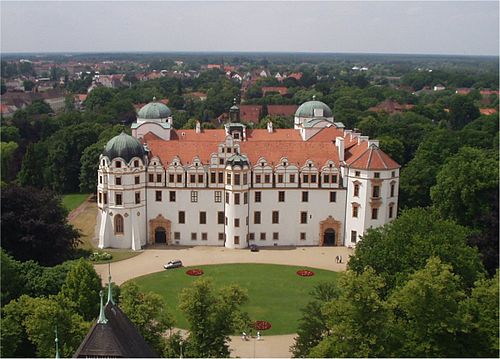
Celle is a picturesque city located in Lower Saxony, Germany, known for its well-preserved medieval architecture and vibrant cultural scene. Situated on the banks of the Aller River, roughly 40 kilometers north of Hanover, Celle has a population of approximately 70,000 residents. The city's roots trace back over 700 years, making it an area rich in history. It was granted town rights in 1292 and developed as an important center for trade and commerce, particularly during the Renaissance period. Celle is renowned for its charming old town, characterized by over 400 half-timbered houses, which exemplify traditional Lower Saxon architecture. The most striking structure, the Celle Castle, originally built in the 13th century, highlights the city’s royal history.
The cultural life in Celle is vibrant, fostered by numerous festivals, galleries, and theaters. One significant event is the Celle Festival, which showcases local artists, musicians, and performers, drawing visitors from various regions. The city's museums, such as the Bomann Museum, offer insights into Celle's past, cultural heritage, and regional crafts. Additionally, Celle hosts the Stadtspark, a beautiful park that provides recreational opportunities and hosts annual events. The proximity to natural attractions, like the Lüneburg Heath, complements the city’s appeal, allowing for outdoor activities such as hiking and cycling. With a blend of historical significance, architectural beauty, and cultural vitality, Celle stands out as an attractive destination for both tourists and residents alike.
Facts about Celle
- Celle is known for its well-preserved timber-framed buildings, boasting over 400 historical structures, making it one of the best-preserved medieval towns in Germany.
- The city has a unique Baroque castle, the Celle Castle, which was built in the 16th century and has served various functions, including as a residence for dukes.
- Celle is home to the 'Celle's Old Town' (Altstadt), a cultural landmark that offers a blend of Renaissance and Baroque architecture alongside charming cobblestone streets.
- The city's rich history as a former ducal capital of the Duchy of Brunswick-Lüneburg gives it a distinct historical significance compared to many other German towns.
- Celle hosts the International School of Management (ISM), contributing to its reputation as a center for higher education and international business studies.
- The town is known for its annual horse market, one of the largest of its kind in Europe, reflecting its strong links to equestrian culture.
- Celle is recognized for its vibrant arts scene, featuring numerous festivals, galleries, and cultural events throughout the year, distinguishing it from surrounding areas.
- The city is close to the Lüneburg Heath, a protected area known for its scenic beauty, which attracts nature lovers and outdoor enthusiasts.
- Celle has a diverse Jewish heritage, exemplified by the historic synagogue built in 1748, which is one of the oldest in Lower Saxony.
- The city is linked to the famous 'Celler Loewe' (Celle Lion), a traditional beer known in the region, celebrating the town's local brewing heritage.