Cerdanyola del Vallès, Spain
- 58,747 people
- 12 places to visit
- 41.4901, 2.1387
Places to Visit (12)
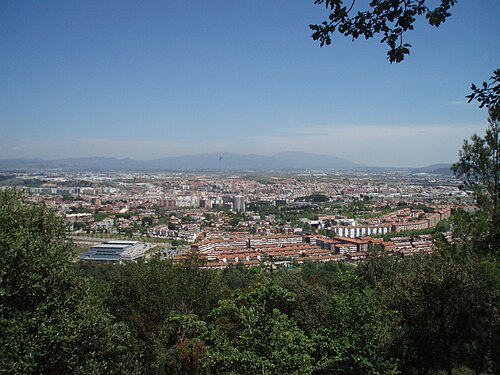
Cerdanyola del Vallès is a municipality located in the eastern part of Spain, specifically within the province of Barcelona and the autonomous community of Catalonia. Situated at the foothills of the Serra de Collserola mountain range, Cerdanyola del Vallès covers an area of approximately 20 square kilometers and is a part of the Metropolitan Area of Barcelona. The town is positioned about 20 kilometers northwest of Barcelona city center, making it a preferred residential area for those who work in the capital but seek a quieter lifestyle. Historically, Cerdanyola del Vallès developed as a rural town and has since evolved due to industrialization, particularly during the mid-20th century, leading to significant population growth and urban development.
The municipality is characterized by a blend of natural landscapes and urban infrastructure. Cerdanyola del Vallès is home to numerous parks and green spaces, such as the Parc de la Torre Blava and the extensive Collserola Natural Park, which offers hiking trails and scenic views of the surrounding region. The town's extensive amenities include schools, cultural facilities, and commercial establishments, supporting a vibrant community. Cerdanyola del Vallès is also known for its rich cultural heritage, with landmarks such as the Church of Sant Isidre, which dates back to the 18th century, and various modernist buildings that reflect the architectural trends of the early 20th century. Events like the annual Fira de Sant Isidre showcase local traditions and attract visitors, enhancing the town's cultural scene.
Cerdanyola del Vallès has a diverse population, and its economy has gradually transitioned from an industrial base to include service-oriented sectors. The town benefits from good transport links, including access to the FGC (Ferrocarrils de la Generalitat de Catalunya) commuter train network, facilitating connections to both Barcelona and other nearby municipalities. As a result, Cerdanyola del Vallès has become an attractive location for families and young professionals seeking work-life balance in a suburban setting. The education sector is prominent, featuring various public and private schools, as well as universities nearby, contributing to a well-educated workforce. Overall, Cerdanyola del Vallès exemplifies a modern, dynamic community that successfully marries natural beauty with urban convenience, making it an appealing place to live and work.
Facts about Cerdanyola del Vallès
- Cerdanyola del Vallès is known for its rich industrial history, particularly in the textile and paper industries during the 19th and early 20th centuries, which significantly shaped its economic landscape.
- The city is home to the historic 'Carrera de Cerdanyola', a traditional Catalan festival that celebrates the local culture and history with parades, music, and traditional dances.
- Cerdanyola del Vallès features the 'Parc Tecnològic del Vallès', which is a hub for technology and innovation, housing various research facilities and tech companies, distinguishing it from many other towns.
- The city boasts several archaeological sites, including remnants from the Iberian and Roman periods, such as the iconic 'Cerdanyola Iberian Settlement' that offers insights into ancient civilizations in the region.
- Cerdanyola del Vallès has numerous parks and green spaces, including the expansive 'Parc de Collserola', which is one of the largest metropolitan natural parks in the world, providing unique recreational opportunities.
- The city organizes the annual 'Cerdanyola Solidària' festival, aimed at promoting social awareness and community involvement, setting it apart from many places that do not actively foster such initiatives.
- Cerdanyola is the birthplace of the famous Catalan artist, Josep Maria Jujol, known for his modernist architectural works and his collaboration with Antoni Gaudí, making the city notable in the artistic sphere.
- The city's educational landscape includes the 'Universitat Autònoma de Barcelona' campus, which contributes significantly to local innovation and attracts students and researchers from around the world.
- Cerdanyola del Vallès maintains a strong commitment to sustainability and environmental preservation, with initiatives that promote green living and renewable energy, distinguishing it from less proactive areas.
- Cerdanyola's proximity to Barcelona (just 20 kilometers away) allows it to serve as a residential area for commuters while still retaining its unique local identity and culture.