Cervia, Italy
- 28,700 people
- 17 places to visit
- 44.2611, 12.3453
Places to Visit (17)
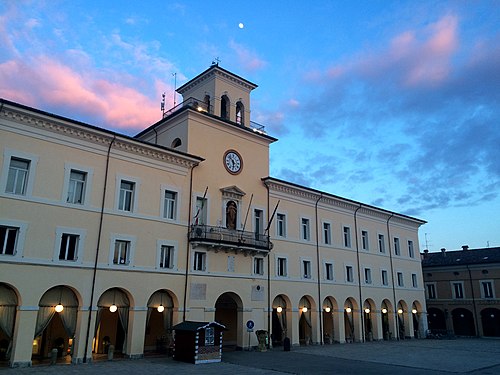
Cervia is a charming coastal town located in the Emilia-Romagna region of Italy, known for its rich history, vibrant culture, and picturesque beaches along the Adriatic Sea. As part of the province of Ravenna, Cervia dates back to Roman times, originally established as a salt-producing center, which remains a significant aspect of its identity. The name “Cervia” is thought to derive from “sal,” the Latin word for salt. The town's salt pans, known as the "Saline di Cervia," are not only historical sites but also a protected natural area, serving as a habitat for a variety of bird species. Visitors can explore the saline areas and learn about the traditional salt production methods that have been practiced for centuries.
The town boasts a delightful mix of historical architecture and modern amenities. The heart of Cervia is represented by its charming old town, featuring a central square, Piazza Garibaldi, surrounded by quaint shops, restaurants, and cafes. The iconic white and pink salt warehouses, remnants of its salt production history, stand as a testament to Cervia's maritime legacy. Additionally, the 18th-century Church of Santa Maria del Suffragio, with its baroque style and intricate artwork, adds to the town’s cultural allure. Cervia’s beautiful beaches are lined with beach clubs and resorts, making it a popular destination for both locals and tourists seeking relaxation and leisure. The annual events and festivals, such as the Sposalizio del Mare (Marriage of the Sea), highlight Cervia’s deep-rooted traditions and celebratory spirit.
Cervia is not only a destination for beachgoers but also offers numerous recreational activities, including cycling, water sports, and wellness retreats. The surrounding natural landscapes, including the nearby Cervia Natural Park, provide ample opportunities for hiking and birdwatching. The town’s gastronomy features Mediterranean and Romagnole cuisine, with an emphasis on seafood, local produce, and renowned dishes such as piadina, a type of flatbread. Overall, Cervia seamlessly blends its historical heritage with contemporary seaside life, making it a unique gem on the Italian coastline that captures the essence of regional culture, history, and natural beauty.
Facts about Cervia
- Cervia is renowned for its salt production; it has been harvesting sea salt since ancient Roman times, which is still a vital part of the local economy and culture.
- The city hosts the annual Cervia's Salt Festival, celebrating its salt-making heritage with events, tastings, and historical reenactments.
- Cervia is home to the unique Cervia Militare, a military establishment that showcases its historical significance in Italy's defense architecture.
- The city's stunning beaches stretch for over 9 kilometers along the Adriatic coast, making it a popular destination for summer tourists seeking sandy shores and recreational activities.
- Cervia's historic center features a striking 18th-century cathedral known as the Cathedral of Santa Maria Assunta, showcasing baroque architecture that's different from many other Italian cities.
- The 'Iron Man' competition is an annual event held in Cervia, attracting athletes from around the world to compete in triathlon events set against the scenic backdrop of the town.
- Cervia's Pinewood, or 'Pineta di Cervia,' is a protected natural area that provides a unique habitat for various wildlife and serves as a recreational space for visitors, setting it apart from other coastal towns.
- The city is closely associated with the famous Italian poet Giosuè Carducci, who often highlighted Cervia's beauty in his works, contributing to its cultural importance.
- Cervia's traditional cuisine features dishes rich in seafood and salt, notably including 'spaghetti alle vongole' and 'squid with salt,' reflecting its coastal heritage.
- The unique Cervia Salt Pan Area is a UNESCO-listed site, recognized for its ecological importance and historical significance in salt production, highlighting its distinct cultural landscape.