Chalco, Mexico
- 168,720 people
- 15 places to visit
- 19.2624, -98.8969
Places to Visit (15)
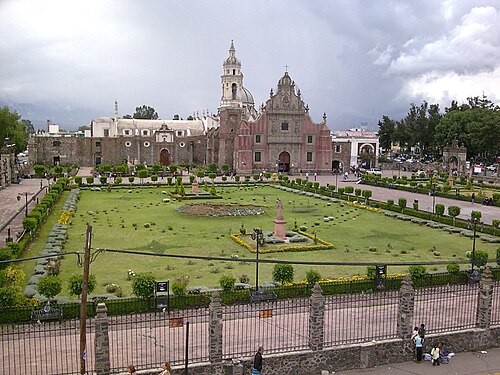
Chalco is a city located in the State of Mexico, about 30 kilometers southeast of Mexico City. It serves as the municipal seat of Chalco de Díaz Covarrubias municipality, which is part of the greater metropolitan area of Mexico City. The city is situated at an altitude of approximately 2,260 meters (7,400 feet) above sea level and covers an area of about 130 square kilometers. Chalco has a rich historical background, with evidence of human activity in the region dating back to pre-Hispanic times. It was once part of the Aztec Empire and is closely associated with the history of the nearby Lake Chalco, which contributed to the area’s agriculture and trade.
The population of Chalco has seen significant growth in recent decades, driven largely by internal migration from other parts of Mexico. As of the last census, the city had a population of over 100,000 residents, marking it as one of the rapidly urbanizing areas of the State of Mexico. The local economy is diverse, with sectors such as commerce, services, and manufacturing playing critical roles. The proximity to Mexico City bolsters economic activity, allowing Chalco to benefit from its nearby urban center while maintaining a unique local culture shaped by both rural and urban influences. Recreational areas, parks, and markets contribute to the vibrant community life of the city, making it an integral part of the surrounding region.
Chalco also boasts several historical and cultural landmarks, including churches, plazas, and educational institutions. It is home to the Church of San Mateo Apostol, which dates back to the colonial period and serves as a focal point for the local community. Furthermore, Chalco’s strategic location provides access to major highways and public transportation, facilitating connectivity with Mexico City and other municipalities. The combination of historical significance, urban development, and cultural richness makes Chalco an interesting and dynamic city within the State of Mexico, attracting both residents and visitors alike.
Facts about Chalco
- Chalco is historically significant as it was the site of the biggest battle in the 1910 Mexican Revolution, making it a key location in the country's struggle for freedom.
- The region has ancestral connections to the Mexica (Aztecs), as Chalco was part of the ancient territory ruled by this civilization, influencing its cultural heritage.
- Chalco hosts the famous Chalco Lake, which is not only a natural landmark but also a site for various water activities, distinguishing it from many other Mexican cities that may not have significant water bodies.
- The town is known for its vibrant annual festival, Fiesta de la Candelaria, which showcases traditional dances, food, and local crafts, attracting visitors from various regions.
- Chalco's unique geographical location near Mexico City allows it to serve as a suburban area, blending rural and urban lifestyles seamlessly.
- The Chalco municipality is known for its archaeological sites, including the remnants of pre-Hispanic settlements, offering insights into ancient Mexican civilizations.
- Chalco has become a focal point for many suburban developments due to its proximity to Mexico City, setting it apart from more isolated towns.
- The local cuisine features traditional Mexican dishes, but also incorporates unique Chalco flavors, including specialties that reflect the region's history and resources.
- Chalco is part of the State of Mexico and holds a significant place in the state as one of the fastest-growing urban areas in terms of population and infrastructure.
- The local transportation system includes a mix of traditional public transport and modern options like the Mexibus, enhancing accessibility and connectivity to other regions.