Champigny-sur-Marne, France
- 76,726 people
- 12 places to visit
- 48.8237, 2.4965
Places to Visit (12)
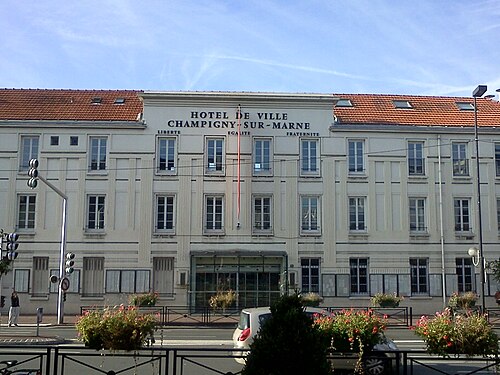
Champigny-sur-Marne is a suburban city located in the Val-de-Marne department in the Île-de-France region of France, approximately 15 kilometers (about 9 miles) east of central Paris. With a population of over 75,000 residents, it serves as an integral part of the Greater Paris metropolitan area. The city is well-connected to the capital through various modes of public transportation, including the RER train network, which enables easy access to key destinations in Paris and beyond. This accessibility has contributed to Champigny-sur-Marne’s development as a residential area, attracting families and commuters looking for a balance between urban and suburban living.
Historically, Champigny-sur-Marne has roots that stretch back to the Roman era, and it was officially separated from neighboring towns in the mid-19th century. The Marne River, which flows through the city, not only adds to the picturesque landscape but also plays a significant role in the local economy and recreation. The city is noted for its rich cultural heritage, with several historical sites including the Church of Saint-Sylvain, which dates back to the 12th century, and the ruins of the Château de Champigny. Modern-day Champigny-sur-Marne offers a diverse array of amenities, such as parks, educational institutions, and cultural facilities, enhancing the quality of life for its residents. Annual events, like the local market and various cultural festivals, further enrich community life and promote local traditions.
Champigny-sur-Marne’s urban environment features a mixture of historic buildings and contemporary developments. The city is home to several parks and green spaces, with the Parc de l'Abreuvoir and the Parc du Tremblay being notable examples. These areas offer recreational opportunities and serve as communal gathering spots. The local economy is primarily driven by commerce, education, and public services, and the city is actively involved in initiatives aimed at sustainable development. Champigny-sur-Marne’s local government focuses on improving infrastructure and fostering an inclusive environment, making it a vibrant place for residents and visitors alike. Overall, Champigny-sur-Marne represents a dynamic blend of history, culture, and modern living, providing an appealing option for those seeking close proximity to Paris while enjoying the benefits of suburban life.
Facts about Champigny-sur-Marne
- Champigny-sur-Marne is known for its beautiful waterfront along the Marne River, which offers various recreational activities and scenic views.
- The city is part of the Val-de-Marne department and is located just 10 kilometers east of Paris, making it a suburban hub that combines urban and rural elements.
- Champigny-sur-Marne hosts the historic Château de Champigny, a 19th-century château that provides insight into the region's history and architecture.
- The town played a significant role during the French Revolution, particularly as a strategic site during the events of 1789.
- Champigny-sur-Marne is renowned for its annual 'Fête de la Musique,' celebrating music and cultural diversity each June, attracting local artists and visitors.
- The city is distinct for its historical association with the Marne River, which played a crucial role in the Battle of the Marne during World War I.
- Champigny-sur-Marne has a vibrant arts scene, with numerous galleries and cultural events that showcase local talent, setting it apart from other suburbs of Paris.
- The town is home to the Parc du Tremblay, one of the largest green spaces in the area, offering expansive gardens, sports facilities, and family-friendly areas.
- Champigny-sur-Marne has a rich multicultural community, reflecting the diverse demographic makeup of the greater Paris area.
- The city is well-connected by public transportation, including several RER and tram lines, enhancing access to Paris and surrounding regions.