Changde, China
- 1,457,419 people
- 8 places to visit
- 29.0316, 111.6985
Places to Visit (8)
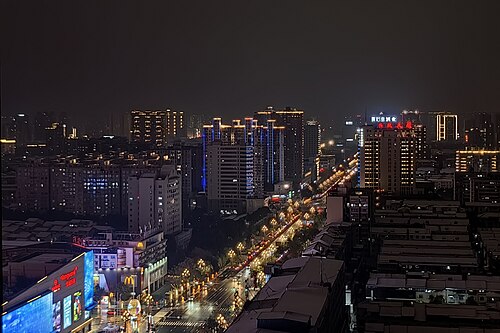
Changde is a city located in the north-central part of Hunan Province, China, renowned for its rich history and cultural significance. As the administrative center of Changde Prefecture, it serves as a vital economic and transportation hub in the region. The city is situated along the banks of the Kweichow River, making it strategically important for trade and commerce. With a population of approximately 1.4 million inhabitants, Changde blends urban development with lush greenery and scenic landscapes, earning it the nickname "The City of Winds."
Historically, Changde has been a significant locale since ancient times, with archaeological evidence suggesting human habitation dating back to the Neolithic era. The city played an essential role in various dynasties, especially during the Ming and Qing periods, contributing to its cultural depth. Today, Changde is celebrated for its blend of history and modernity, featuring attractions such as the Changde Poetry Wall, dedicated to the famous Tang Dynasty poet Wang Zhihuan, and the ancient temples that highlight the area's rich cultural heritage. The city is also known for its unique local cuisine, including dishes like "Changde Rice Noodles" and "Tujia Zhangjiao," which reflect the diverse culinary traditions of the Hunan region.
Economically, Changde has developed significantly in recent decades, driven by agriculture, manufacturing, and increasing investments in technology and infrastructure. The fertile plains surrounding the city favor the cultivation of rice, vegetables, and fruits, while industries such as textiles and machinery contribute to the local economy. Efforts to enhance tourism have also gained momentum, with initiatives to promote natural attractions like the nearby Wuling Mountain National Park and the picturesque Dongting Lake. As Changde continues to evolve, it balances its historical legacy with modern aspirations, making it an essential part of Hunan Province and a notable destination in China.
Facts about Changde
- Changde is renowned for the Wuling Mountain range, which offers scenic landscapes and outdoor activities, distinguishing it from many other urban areas in China.
- The city is home to the Changde Poetry Festival, an annual event that celebrates Chinese poetry and attracts poets and literature enthusiasts from across the country.
- Changde features the famous Taohuayuan (Peach Blossom Island), which is inspired by Tao Yuanming's poem, symbolizing an idyllic utopia and drawing inspiration seekers and tourists.
- Changde's history dates back over 2,000 years, making it one of the oldest cities in Hunan Province, with rich cultural heritage and historical significance.
- The city's unique 'Eight Immortals' tea, known for its special preparation and flavor, is a local specialty that sets it apart in the tea-loving nation of China.
- Changde has the largest paper crane in the world, located in the city's scenic area, emphasizing its commitment to arts and culture and attracting tourists.
- The Changde Museum showcases rare artifacts and historical relics, specifically highlighting the region's rich history and diverse cultural influences.
- The city is a vital agricultural hub, particularly famous for its rice production, contributing significantly to China's food supply and local economy.
- Changde is recognized for its traditional Hunan cuisine, known for its bold flavors and spiciness, distinguishing it from other regional culinary styles in China.
- The Changde People's Government has implemented significant eco-friendly initiatives, making it a model city for sustainable development in rural and urban integration in China.