Changnyeong, South Korea
- 74,668 people
- 3 places to visit
- 35.5083, 128.4932
Places to Visit (3)
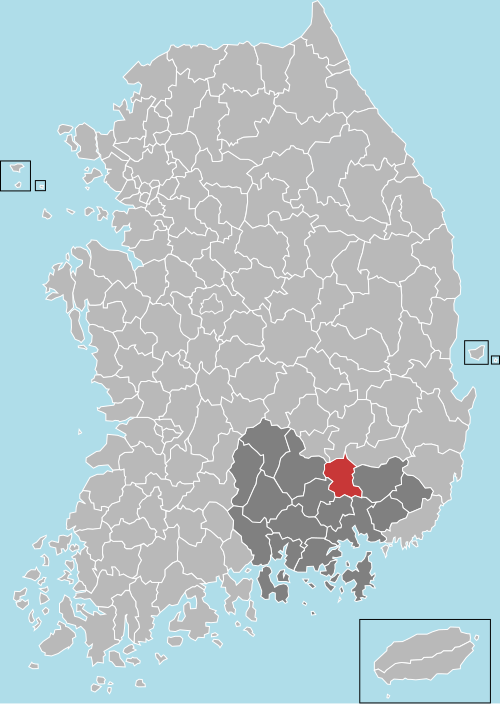
Changnyeong is a county located in the Gyeongsangnam-do province of South Korea. Known for its rich cultural heritage and natural beauty, Changnyeong encompasses both urban and rural elements, offering a unique blend of traditional Korean life and modern convenience. The area is characterized by the presence of the Nakdong River, which flows through the region, providing a picturesque backdrop and fertile ground for agriculture. Agriculture plays a vital role in the local economy, with rice cultivation being particularly prominent due to the favorable conditions created by the river's basin.
Changnyeong is also home to several historical and cultural sites that reflect its past. Notable among these is the Changnyeong Confucian School, which dates back to the 17th century and symbolizes the region's commitment to Confucian principles. In addition, the county hosts the annual Changnyeong World Dinner Cultural Festival, celebrating local food, culture, and community spirit. The festival attracts visitors from across the country and highlights the significance of local cuisine, including traditional dishes crafted from the area's agricultural produce. Furthermore, Changnyeong is situated near the scenic hills of the surrounding area, making it a desirable destination for outdoor activities such as hiking and biking.
Transport in Changnyeong is well-developed, facilitating easy access to larger cities while maintaining a tranquil rural atmosphere. The county benefits from convenient road networks and proximity to major urban centers like Daegu and Busan, allowing residents and visitors alike to explore its attractions with ease. Changnyeong's commitment to preserving its environment and heritage, combined with its agricultural richness and vibrant community life, positions it as an appealing location for both tourism and residential living in South Korea.
Facts about Changnyeong
- Changnyeong is known for its rich history as it was the site of the Battle of Changnyeong during the Korean War in 1950, an important event in South Korea's military history.
- The city is famous for the Changnyeong Saenggang GUL, a unique fermented garlic product that has gained popularity for its health benefits and is a staple in local cuisine.
- Changnyeong boasts the historic site of Haeinsa Temple, which is a UNESCO World Heritage Site and houses the Tripitaka Koreana, one of the most complete collections of Buddhist texts in the world.
- The city hosts the Changnyeong World Bullfighting Festival, an annual event that attracts thousands of visitors and showcases traditional Korean bullfighting, providing a unique cultural experience.
- Changnyeong is home to the scenic Upo Wetland, the largest inland wetland in South Korea, which is a designated ecological preserve known for its diverse flora and fauna.
- The city is famous for its production of Gochugaru (red pepper flakes), and annual festivals celebrating the local pepper harvest take place, emphasizing the region's agricultural significance.
- Changnyeong has a unique history as a former garrison town, which shaped its development and contributed to its strategic importance throughout Korean history.
- The city is well-connected by national highways and public transport, making it a convenient hub for accessing nearby major cities while maintaining a distinct small-town atmosphere.
- Changnyeong has been recognized for its significant efforts in promoting regional tourism, including initiatives to develop historical and natural resources into tourist attractions.
- The local geological features around Changnyeong, including the nearby Nakdong River, provide a distinctive landscape that is celebrated for its natural beauty and outdoor recreational opportunities.