Chapecó, Brazil
- 160,157 people
- 18 places to visit
- -27.1048, -52.6143
Places to Visit (18)
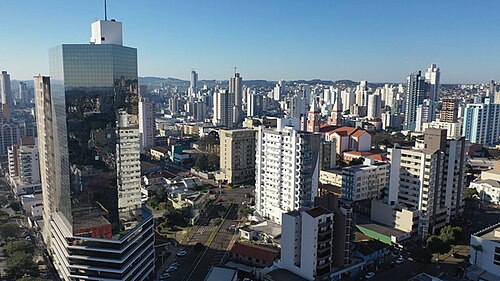
Chapecó is a vibrant city located in the western part of the state of Santa Catarina, Brazil. With a population of approximately 220,000 residents, it serves as one of the key economic and cultural centers in the region. Founded in 1917, Chapecó has grown significantly over the decades, primarily due to its agricultural and livestock production, making it a crucial hub for both local and national markets. The city is well-known for its strong agribusiness sector, particularly in poultry, as it is home to several large processing companies. This agricultural prominence results in Chapecó being a major player in Brazil's food supply chain.
Culturally, Chapecó embraces a diverse heritage influenced by Italian, German, and Polish immigrants, which is reflected in its festivals, cuisine, and architectural styles. The city hosts various events throughout the year, including the Festas de Maio, celebrating its patron saint with traditional music, dance, and culinary displays. Chapecó is also recognized for its sports culture, particularly football, with the local team, Chapecoense, gaining prominence after several years of success, including participation in national and international tournaments. Tragically, the team faced a devastating plane crash in 2016, which garnered global sympathy and solidarity. Today, the city continues to honor the memory of the victims while moving forward to revitalize its community spirit. With ongoing developments in infrastructure and education, Chapecó is steadily progressing towards becoming a more influential city in Brazil's socio-economic landscape.
Facts about Chapecó
- Chapecó is known as the 'Capital of the West' in Brazil due to its strategic location in the western part of Santa Catarina state and its importance as a commercial and agricultural hub.
- The city is famous for its agribusiness, particularly poultry and pork production, making it one of the largest producers in Brazil and a key player in the national food supply.
- Chapecó is home to the Arena Condá, a multi-purpose stadium which serves as the home ground of the local football team, Chapecoense, and gained international attention after the tragic plane crash in 2016 that involved the team's players and staff.
- The city hosts the Chapecó International Film Festival, which celebrates cinema and includes competitions for various film categories, promoting cultural exchange and visibility for independent filmmakers.
- Chapecó has unique architecture that combines a blend of modern and traditional styles, with notable landmarks like the Cathedral of Chapecó and various public squares that reflect the city’s history and culture.
- The Chapecó City Park, a large recreation area, is renowned for its extensive green spaces, walking trails, and leisure facilities, making it a beloved destination for residents and visitors alike.
- The local gastronomy features unique dishes such as 'galinhada' (chicken rice) and 'curtido' (pickled vegetables), showcasing the region's agricultural bounty and culinary traditions.
- Chapecó is an important pole for technology and innovation, with numerous research and development initiatives in agriculture and biotechnology, contributing to its reputation as a center of progress.
- The city has a rich history of Italian immigration, which has significantly influenced its culture, cuisine, and community structure, differentiating it from many other Brazilian cities.
- Chapecó is well-known for hosting the 'Expo Chapecó', a major agricultural and livestock fair that attracts thousands of visitors and exhibitors, showcasing advancements in farming and agribusiness.