Charleroi, Belgium
- 200,132 people
- 16 places to visit
- 50.4096, 4.446
Places to Visit (16)
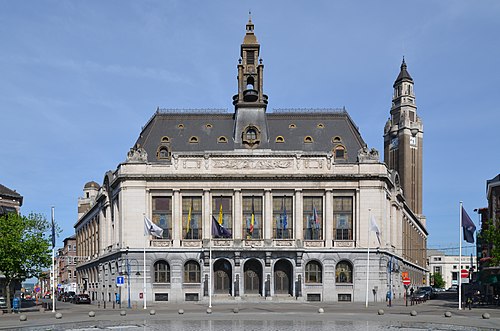
Charleroi is a city located in the Walloon region of Belgium, specifically in the province of Hainaut. It is situated approximately 60 kilometers south of Brussels and is known for its rich industrial heritage, particularly in coal mining and steel production. Founded in the early 17th century, Charleroi grew rapidly during the 19th century as the Industrial Revolution transformed the area into a thriving economic center. The city's population peaked in the mid-20th century, driven by the demand for labor in factories and mines that were integral to Belgium's industrial output. Today, Charleroi stands as the second-largest city in Wallonia, with a diverse population of around 200,000 residents.
The city has faced significant economic challenges since the decline of its traditional industries in the latter half of the 20th century, leading to high unemployment and urban decline. However, Charleroi has begun to reinvent itself through various urban renewal projects aimed at revitalizing its economy and improving the quality of life for its residents. Initiatives have focused on developing infrastructure, promoting cultural activities, and attracting new businesses, particularly in the technology and creative sectors. The presence of a major airport, Charleroi Airport, adds to the city's connectivity and potential for tourism. Charleroi also boasts a rich cultural scene, with museums, theaters, and a vibrant street art scene reflecting its industrial past and evolving identity. As the city continues to adapt and evolve, it remains an important center for industry, culture, and innovation in Belgium.
Facts about Charleroi
- Charleroi was founded in the 1660s and was originally named 'Charleroi-le-Grand' in honor of King Charles II of Spain.
- The city is known for its industrial heritage, particularly its historical significance in coal mining and steel production, which played a major role in Belgium's industrial revolution.
- Charleroi is home to the largest metro system in Belgium outside of Brussels, showcasing its commitment to public transportation.
- The city has a distinct nickname, 'The City of the Black Gold,' a reference to its coal mining past, and it is recognized for its unique urban landscape characterized by post-industrial architecture.
- Charleroi boasts several remarkable Art Nouveau and contemporary art buildings, such as the Belfry of Charleroi and the Photographic Museum, which stand out in Belgium's urban fabric.
- The city hosted the 2007 World Police and Fire Games, showcasing its facilities and commitment to sports and community events.
- Charleroi is notable for its vibrant street art scene, with numerous murals and graffiti works that have transformed many parts of the city into open-air galleries.
- In 2010, Charleroi received significant attention as it was cited as one of the most affordable cities to live in Western Europe, attracting artists and young professionals.
- The city has a rich cultural scene with events like the Charleroi Jazz Festival, which attracts international talent and highlights the city’s musical heritage.
- Charleroi is also known for its innovative approach to urban regeneration, with projects aimed at reviving its industrial areas into thriving cultural and business hubs.