Châtelet, Belgium
- 35,238 people
- 10 places to visit
- 50.404, 4.5182
Places to Visit (10)
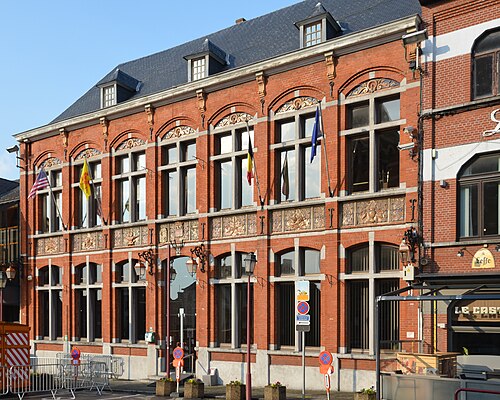
Châtelet is a municipality located in the province of Hainaut, in the Walloon region of Belgium. Situated to the south of the Sambre River, it is part of the greater Charleroi metropolitan area. The town has a rich history that dates back to medieval times, serving as a significant center for commerce and trade due to its strategic location. Châtelet became notable in the 13th century and grew in prominence during the industrial revolution in the 19th century, primarily due to coal mining and related industries. The population witnessed considerable growth during this period, reflecting the wider trends of industrialization in Wallonia.
Today, Châtelet has evolved into a multifaceted community that retains echoes of its historical significance while adapting to contemporary needs. The municipality is characterized by a blend of historical architecture and modern developments, with various buildings reflecting its industrial past alongside newer constructions. The cultural landscape of Châtelet includes several parks, community centers, and local festivals that celebrate its heritage and bring residents together. The town is also served by a range of amenities, including schools, shops, and public transport services that connect it to nearby cities. Residents enjoy a vibrant local community, with an emphasis on both preserving the town's history and fostering future growth. As part of Belgium’s Walloon region, Châtelet embodies the dynamic interplay of tradition and modernity, making it an essential part of the cultural tapestry of the country.
Facts about Châtelet
- Châtelet is located in the Walloon region of Belgium, specifically in the province of Hainaut, and is part of the Charleroi metropolitan area.
- The city has a rich industrial heritage, particularly known for its historical coal mining activities which contributed significantly to the local economy in the 19th and early 20th centuries.
- Châtelet is home to the St. Joseph Church, a neo-Gothic structure built in the late 19th century, which stands out for its intricate architecture and stained glass windows.
- The city hosts the annual Festival of Châtelet, celebrating local music, arts, and culture, drawing visitors from across the region.
- Châtelet is known for its picturesque connections to the Sambre River, enhancing its scenic views and recreational opportunities.
- One of the unique cultural aspects of Châtelet is its traditional carnival, which features parades, costumes, and local folklore, creating a vibrant community atmosphere.
- The city played a role in the development of the Belgian railway system, with its railway station established in the 19th century being a crucial connection point for the region.
- Châtelet is also recognized for its diverse architectural styles, including Art Nouveau and Art Deco buildings that reflect the city’s modernization in the early 20th century.
- The local gastronomy includes specialties like 'château de Châtelet', a traditional dish that highlights the area's culinary heritage.
- Châtelet's proximity to Charleroi makes it a strategic location for trade and commerce, often impacting its socio-economic growth and community development.