Chełm, Poland
- 63,949 people
- 13 places to visit
- 51.1431, 23.4712
Places to Visit (13)
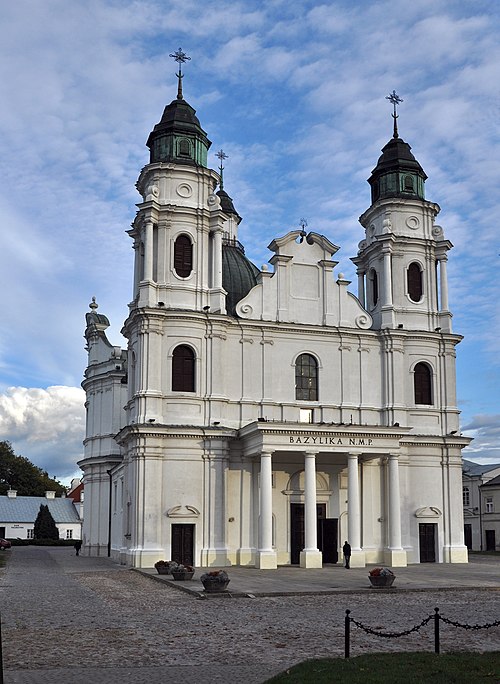
Chełm is a historical city located in southeastern Poland, within the Lublin Voivodeship, approximately 8 kilometers from the border with Ukraine. With a population of around 59,000, it is one of the oldest towns in the region, dating back to the 9th century. Chełm has a rich history influenced by various cultural and political changes over the centuries, including periods of Polish, Ukrainian, and Jewish presence. The city was granted town rights in 1240, enhancing its economic and political significance in medieval times. Throughout its history, Chełm has been a center for trade, craftsmanship, and agriculture, with its strategic location contributing to its development.
Chełm is noted for its unique tourist attractions and cultural landmarks. One of the city’s most famous features is the Chełm Chalk Pit, which is part of the larger Lublin Upland and is renowned for its striking chalk formations. The city also has several notable churches, including the Baroque-style Church of the Holy Cross and the Gothic-style Church of St. Mary Magdalene. Additionally, Chełm is known for its folklore and local legends, particularly those surrounding the "Chełm legends," which depict the charmingly foolish citizens of the city, contributing to its cultural identity. Chełm's vibrant community, reflected in its numerous festivals and events, further enriches its historical and cultural tapestry, making it a noteworthy destination for visitors exploring Poland's lesser-known towns.
Facts about Chełm
- Chełm is famous for its unique underground tunnels known as the Chełm Chalk Tunnels, which stretch over 20 kilometers and were created by chalk mining in the region.
- The city is renowned for its rich history, being one of the oldest settlements in Poland, with archaeological evidence dating back to prehistoric times.
- Chełm has a historical tradition of being a center for education, highlighted by the presence of the Chełm University of Technology and Humanities, founded in 1995.
- The city's iconic landmark, the Church of the Holy Spirit, is known for its baroque architecture and impressive interior, making it a significant attraction in Chełm.
- Chełm is known as the 'City of the Wise' due to its association with Polish folklore that depicts the local people as witty and clever, contributing to its cultural identity.
- The city hosts an annual Mural Festival, which invites artists to create large-scale murals throughout the city, resulting in a vibrant and colorful urban landscape.
- Chełm has a rich Jewish heritage, with historical synagogues and monuments commemorating the Jewish community that thrived there before World War II.
- The city is also known for the Chełm Chalk Festival, celebrating the local chalk deposits and the art of chalk-related crafts and sculptures.
- Chełm is home to a notable brass band tradition, with the Chełm Brass Band being part of the cultural fabric and regularly participating in national competitions.
- Localized folklore often includes tales of Chełm's 'wise men,' which have led to the phrase 'Chełmian wisdom' denoting humorous but nonsensical reasoning.