Chemnitz, Germany
- 247,220 people
- 17 places to visit
- 50.8282, 12.9209
Places to Visit (17)
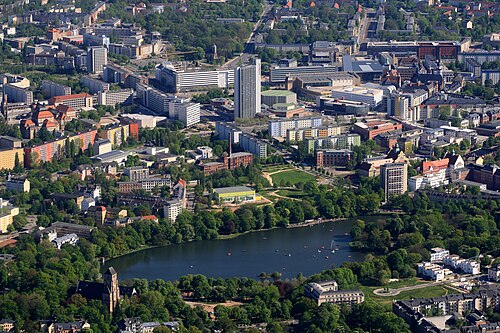
Chemnitz, located in the eastern part of Germany, is the third-largest city in the state of Saxony, following Leipzig and Dresden. Historically known as Karl-Marx-Stadt during the German Democratic Republic, the city was renamed Chemnitz after reunification in 1990. With a population of around 250,000, Chemnitz has emerged as a center of education, technology, and culture. It is renowned for its rich industrial heritage, having been one of the leading centers of manufacturing during the 19th century, particularly noted for its textile and machinery industries.
In modern times, Chemnitz has transformed itself from a post-industrial city into a hub for innovation and education. Its notable institutions include the Chemnitz University of Technology, known for its engineering programs, and several research centers focusing on advanced materials and production technology. The city's cultural landscape boasts various museums, theaters, and galleries, reflecting its artistic vibrancy. The Museum Gunzenhauser, for instance, showcases a significant collection of Modern Art, while the Chemnitz Art Collections feature diverse works from different eras. The city's public spaces, such as the historic market square and the 19th-century Karl Marx Monument, attract both residents and visitors, embodying the city's blend of historical significance and contemporary development.
Chemnitz has also been in the news for its recent social dynamics, particularly regarding its increasing multiculturalism and the challenges it faces associated with far-right movements and tensions. Despite these issues, the city remains a focal point for dialogue and integration efforts within Germany. Its strategic location and robust infrastructure facilitate both regional and international connectivity, further enhancing its appeal as a place for business and tourism. Thus, Chemnitz stands as a testament to Germany's industrial past while striving to shape a modern identity characterized by progress, diversity, and resiliency.
Facts about Chemnitz
- Chemnitz was known as Karl-Marx-Stadt from 1953 to 1990, reflecting its importance in the GDR (East Germany) and the prominence of socialist ideology during that period.
- The city is home to the Chemnitz University of Technology, which is renowned for its engineering and natural sciences programs, attracting students from around the globe.
- Chemnitz has a vibrant arts scene and is known for its numerous music festivals, including the Chemnitz music festival and the international jazz festival.
- The city's rich industrial history is celebrated in the form of the Industrial Culture Museum, which showcases its significance as a center of textile and machine production during the 19th and early 20th centuries.
- Chemnitz is notable for its extensive collection of modern and contemporary art at the Chemnitz Art Collections, which include works from the likes of Otto Dix and other notable artists.
- The Chemnitz Christmas Market is recognized as one of the oldest and most charming Christmas markets in Germany, attracting visitors with its traditional crafts and festive atmosphere.
- In 2021, Chemnitz was designated as a Federal City of Culture, highlighting its ongoing cultural development and contributions to the arts in Germany.
- The Karl Marx Monument in Chemnitz is one of the largest busts of Karl Marx in the world, symbolizing the city's historical ties to communism and the GDR.
- The city's skyline includes the iconic Chemnitz City Hall and the 'Chemnitzer Balkon', a viewpoint that offers panoramic views of the city and beyond.
- Chemnitz has a unique blend of architectural styles, featuring both historical buildings and innovative modern architecture, making it a fascinating place for architecture enthusiasts.