Chengde, China
- 449,325 people
- 8 places to visit
- 40.9515, 117.9634
Places to Visit (8)
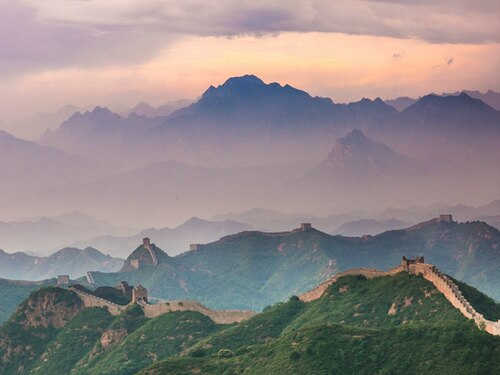
Chengde, a city in Hebei Province, China, is renowned for its rich historical and cultural heritage. Located approximately 225 kilometers northeast of Beijing, it serves as an important destination for tourists seeking to explore the remnants of Qing Dynasty history. Established as a summer retreat for emperors to escape the heat of the capital, Chengde was officially opened in 1703 and became the site of the famed Mountain Resort, a vast imperial garden and palace complex. This UNESCO World Heritage Site spans over 5.6 square kilometers and features stunning landscapes that blend natural beauty with traditional Chinese architecture, including gardens, temples, and scenic lakes.
Chengde's significance extends beyond its imperial past; it was also a key site for the Manchu dynasty's diplomatic relations with Tibetan and Mongolian leaders during the 18th century. The city boasts several important religious sites, including the Puning Temple, known for its massive statue of Avalokiteshvara, and the Putuo Zongcheng Temple, which reflects Tibetan architectural styles. As a center of cultural exchange, Chengde showcases a mix of Han Chinese, Mongolian, and Tibetan influences, which is evident in its food, festivals, and local customs. Today, the city is not only a historical landmark but also an emerging modern hub, maintaining a balance between preserving its rich heritage and developing its urban landscape. With its blend of history, culture, and natural beauty, Chengde continues to attract visitors from around the world.
Facts about Chengde
- Chengde is home to the UNESCO World Heritage Site, the Mountain Resort, which served as a summer retreat for emperors during the Qing dynasty, showcasing stunning gardens and architecture.
- The city features the 'Eight Outer Temples', a collection of 17th and 18th-century temples that blend Han Chinese and Tibetan architectural styles, reflecting the cultural diversity of the region.
- Chengde was historically known as Chengde Prefecture and is notable for being the center of the Qing dynasty's efforts to integrate ethnic minorities through the establishment of cultural and religious ties.
- The city served as the venue for several important peace treaties between the Qing dynasty and various nomadic groups, underscoring its strategic importance in Chinese history.
- Chengde's Puning Temple houses an impressive 22-meter tall wooden statue of the Avalokiteshvara Bodhisattva, making it a significant site for Buddhist pilgrims.
- Unlike many Chinese cities that are predominantly urban, Chengde is set against a backdrop of stunning natural landscapes, including mountains and reservoirs, making it a favored destination for outdoor enthusiasts.
- The city holds an annual 'Chengde International Tourism Festival', celebrating local culture, history, and the natural beauty of the surrounding area, attracting visitors from around the globe.
- Chengde's architecture includes remnants of various dynasties, with a unique blend of Manchu and Mongolian influences visible in local buildings and monuments.
- Chengde developed as a military and administrative center, playing a critical role in the defense strategy of the Qing dynasty against Mongol invasions, differentiating it from many other cities in China.
- The city is known for its rich historical heritage as a former 'summer capital' of the Qing Dynasty, where emperors spent their summers to escape the heat of Beijing.