Chhindwāra, India
- 134,847 people
- 3 places to visit
- 22.0574, 78.9382
Places to Visit (3)
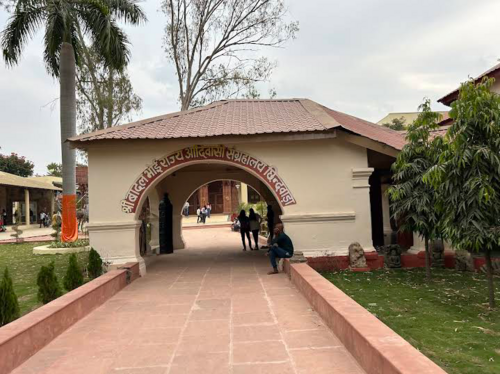
Chhindwāra is a city located in the central Indian state of Madhya Pradesh and serves as the administrative headquarters of Chhindwāra district. Nestled within a geographically diverse region characterized by forests, hills, and rivers, the city is positioned approximately 220 kilometers southwest of the state capital, Bhopal. The area is known for its rich cultural heritage, primarily driven by a mix of tribal and non-tribal communities. Chhindwāra is historically significant and has roots that trace back to ancient times, evidenced by its archaeological sites and historic temples. The region is particularly known for its contributions to the economy through agriculture and natural resources, such as the production of rice, soybean, and cotton.
Economically, Chhindwāra thrives on a mix of agriculture and small-scale industries, with many residents involved in farming and related activities. The city’s economy is also bolstered by the presence of several manufacturing units and a growing service sector. Additionally, Chhindwāra's scenic landscapes and proximity to natural attractions make it a potential spot for tourism, with nearby forests and waterfalls drawing visitors. Notable landmarks in the area include the renowned Chand Dirghika Mandir, an ancient temple dedicated to Lord Shiva, and the vibrant local markets that showcase the region's handicrafts and traditional goods.
In terms of connectivity, Chhindwāra is well-connected to other major cities through roadways and railways, facilitating trade and movement. The district is served by several educational institutions, enhancing the local profile in academic and professional sectors. Chhindwāra also celebrates a vibrant mix of traditions and festivals, reflecting the diversity of its populace. Notably, events such as Diwali and Navratri see enthusiastic participation from the community, enhancing the cultural fabric of the city. With its blend of historical significance, economic potential, and cultural richness, Chhindwāra presents a fascinating glimpse into the life and heritage of rural India.
Facts about Chhindwāra
- Chhindwāra is known for its rich cultural heritage and is home to a variety of traditional crafts, including exquisite handloom textiles and bamboo products.
- The city is surrounded by beautiful hills, including the famous 'Chhindwāra Hills', which are part of the Satpura mountain range, offering scenic views and trekking opportunities.
- Chhindwāra is renowned for its local cuisine, particularly dishes like 'Chaat' and 'Poha,' which reflect the region's culinary diversity.
- The city is an important agricultural hub, primarily producing crops such as soybeans, wheat, and various pulses, contributing significantly to the local economy.
- Chhindwāra has historical significance with ancient temples like the 'Amba Wani Temple' and 'Brahmdev Temple,' attracting pilgrims and tourists alike.
- The city hosts the annual 'Chhindwāra Dussehra' festival, which is celebrated with grand processions and events, showcasing local traditions.
- Chhindwāra has a vibrant tribal culture, with a significant population of Gond and other tribal communities who contribute to the cultural diversity of the area.
- The district is famous for its unique form of Kolar Gold Fields, which was one of the earliest gold mining areas in India, located near the city.
- Chhindwāra is closely associated with the activities of the famous Indian freedom fighter 'Rao Bahadur Rameshwar Rao,' who played a significant role in the local independence movement.
- The city is home to several educational institutions, including a medical college, contributing to the region's development and access to quality education.