Chichicastenango, Guatemala
- 141,567 people
- 6 places to visit
- 14.945, -91.1089
Places to Visit (6)
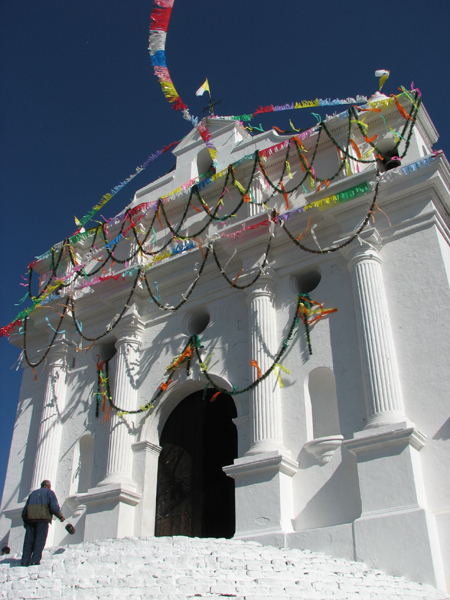
Chichicastenango, often referred to simply as Chichi, is a vibrant town located in the Quiché department of Guatemala, renowned for its rich indigenous culture and steeped in history. Sitting at an elevation of approximately 2,000 meters (6,600 feet) in the highlands, it is home to the K'iche' Maya people, who have preserved their customs, languages, and traditions over centuries. Chichicastenango is particularly famous for its colorful market, which takes place on Thursdays and Sundays, attracting thousands of visitors and locals alike. The market is a tapestry of vivid textiles, handicrafts, fruits, and vegetables, showcasing the skill of local artisans and the region's agricultural abundance.
Culturally, Chichicastenango is significant for its religious syncretism, where traditional Maya beliefs intertwine with Catholicism. At the heart of the town lies the 16th-century Church of Santo Tomás, which stands as a focal point for both tourists and residents. The church is not only an architectural landmark but also a site for unique rituals, as indigenous Maya continue to perform traditional ceremonies in its surroundings. Additionally, the surrounding landscape features the sacred hill of Pascual Abaj, where offerings to the gods are made, making it a vital spiritual center for the local community. The blend of vibrant culture, history, and spirituality, combined with the stunning mountainous scenery, makes Chichicastenango a unique destination that offers visitors an immersive experience into the heart of Guatemalan heritage.
Facts about Chichicastenango
- Chichicastenango is home to the largest and most famous indigenous market in Guatemala, operating twice a week on Thursdays and Sundays.
- The town is renowned for its rich indigenous Maya culture, with the majority of its inhabitants belonging to the K'iche' Maya group.
- The Santo Tomás Church, located in the town's main square, is built on top of a pre-Columbian temple, exemplifying the blend of Catholic and indigenous traditions.
- Chichicastenango hosts the Pascual Abaj ritual, which takes place in the hills surrounding the town, where offerings to Tz'ikin, the feathered serpent deity, are made.
- The town is famous for its traditional colorful textiles, handwoven using ancient techniques, which are a vital part of its cultural identity.
- Chichicastenango's cemetery is unique for its vibrant colors and elaborate tombstones, reflecting the indigenous belief in honoring the deceased with beauty.
- The town's annual festival in December, celebrating Santo Tomás, includes traditional dances, parades, and Catholic rites, attracting visitors from all over the country.
- Chichicastenango is known for the Quiche Maya calendar, which is still used by locals for agricultural and spiritual purposes.
- The town features a range of traditional handicrafts, including wood carvings, masks, and herbal remedies, marking its status as an artisan hub.
- Chichicastenango has been featured in various documentaries and travel programs, highlighting its cultural significance and vibrant local life.