Chieti, Italy
- 44,444 people
- 13 places to visit
- 42.3479, 14.1636
Places to Visit (13)
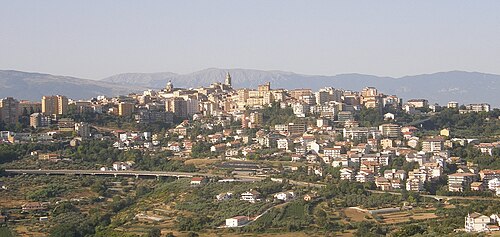
Chieti is a historic city in the Abruzzo region of Italy, situated on a hill overlooking the Pescara Valley. With a population of around 50,000 residents, it is one of the oldest continuously inhabited cities in the world, boasting a rich history that dates back to the Samnite civilization. The city is strategically located approximately 200 kilometers northeast of Rome and about 15 kilometers from the Adriatic coast. Chieti serves as the capital of the Province of Chieti and is recognized for its vibrant cultural scene and stunning architectural heritage, blending medieval, Renaissance, and Baroque influences.
The city’s historical center is characterized by narrow winding streets, charming piazzas, and impressive landmarks. Among its most notable sites is the Cathedral of San Giustino, which features an exquisite Romanesque design and houses significant religious relics. The Museo Archeologico Nazionale d'Abruzzo, located in the former Roman theater, is another highlight, showcasing artifacts from the area's ancient history, including the famous Warrior of Capestrano, a masterpiece from the Italic period. Chieti is also home to a thriving university, the University "G. D'Annunzio," which contributes to its youthful atmosphere and intellectual vibrancy.
Chieti is famous for its culinary delights, particularly traditional Abruzzese cuisine, which features hearty dishes such as arrosticini (skewered lamb), pasta alla chitarra, and local cheeses and wines. The city is surrounded by picturesque landscapes, including the Majella mountain range and the vast hills of Abruzzo, offering ample opportunities for outdoor activities such as hiking and skiing. With its blend of history, culture, and natural beauty, Chieti is a destination that encapsulates the essence of Italian charm and heritage, attracting both tourists and scholars alike.
Facts about Chieti
- Chieti is one of the oldest cities in Italy, with roots dating back to the pre-Roman era, believed to have been founded by the Marrucini, an ancient Italic tribe.
- The city features the impressive Arch of Trajan, a well-preserved Roman arch built in honor of Emperor Trajan, which serves as a significant historical landmark.
- Chieti is home to the National Archaeological Museum, which contains one of Italy's most important collections of ancient artifacts, including items from the Roman and Picene civilizations.
- The city is renowned for its medieval architecture, particularly the 12th-century Cathedral of Saint Julian, which showcases a blend of Romanesque and Gothic styles.
- Chieti hosts the annual 'Ceresio Festival', a unique event celebrating local agricultural products and traditional Abruzzese cuisine, setting it apart from other Italian towns.
- The city is notable for its location on the 'Trigno River', providing beautiful natural surroundings and opportunities for outdoor activities, which many other urban areas lack.
- Chieti is also known for its historic University, founded in 1965, which focuses on health sciences, arts, and humanities, contributing to the city's educational significance.
- The city features the 'Teate' ancient walls, remnants of the erstwhile Roman fortifications that provide a glimpse into its strategic importance during ancient times.
- Chieti played a significant role during World War II, serving as a pivotal military base, and has memorials commemorating its war history, distinguishing it from many other towns.
- Chieti is surrounded by the picturesque landscapes of the Abruzzo region, known for its national parks and hiking trails, making it a distinct destination for nature lovers.