Chikusei, Japan
- 99,987 people
- 11 places to visit
- 36.3052, 139.9794
Places to Visit (11)
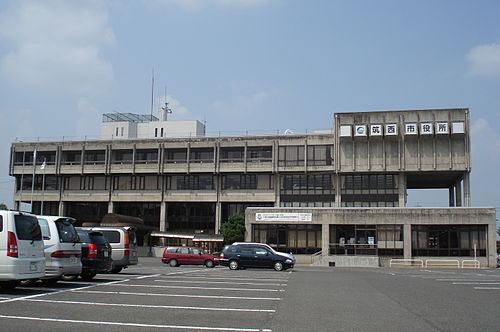
Chikusei is a city located in Ibaraki Prefecture, Japan, known for its rich agricultural landscape and historical significance. Established as a city on April 1, 2005, Chikusei was formed through the merger of several towns, including the former towns of Takaoka, Shiraoka, and Tsukuba. It is situated about 100 kilometers north of Tokyo and is easily accessible via the Jōban Line, making it a notable area for both residents and visitors. The city's population is around 40,000, and its economy is primarily driven by agriculture, with rice, vegetables, and other crops being significant contributors. The fertile soil, coupled with a temperate climate, supports farming activities, and local farmers are adept at cultivating various products.
Culturally, Chikusei boasts several shrines, temples, and historical sites that reflect its heritage. The city is home to the renowned Kankō-ji Temple, which dates back to the early Edo period and showcases traditional Japanese architecture and art. Additionally, Chikusei celebrates various local festivals throughout the year, highlighting its community spirit and traditions. The annual Chikusei Fireworks Festival is a popular event that attracts visitors from surrounding areas, featuring a display of vibrant fireworks set against the backdrop of the city's picturesque landscape. In recent years, efforts have been made to promote tourism and increase awareness of Chikusei's unique agricultural products, aiming to foster a sustainable local economy while preserving its cultural identity.
Facts about Chikusei
- Chikusei is known for its production of high-quality rice, particularly the Koshihikari variety, which is highly regarded across Japan.
- The city is home to the historic Kiyoharu-ji Temple, which dates back to the early Edo period and features stunning traditional architecture.
- Chikusei hosts the annual Chikusei Cherry Blossom Festival, celebrated in spring, attracting visitors to enjoy the beautiful sakura trees in full bloom.
- The city has a rich history of pottery, particularly in the production of Mino ware, which has roots that can be traced back centuries.
- Chikusei features the unique Tosho-gu Shrine, dedicated to Tokugawa Ieyasu, which reflects the cultural significance of the Tokugawa Shogunate in the region.
- The city is located near the scenic Mount Tsukuba, one of Japan's famous mountains, known for its hiking opportunities and breathtaking views.
- Chikusei is recognized for its role in the local agriculture industry, with a focus on innovative farming techniques that promote sustainability.
- The city has a vibrant community of traditional artisans, preserving skills in crafts such as silk weaving and hand-made textiles.
- Chikusei's proximity to the historic city of Tsukuba makes it a region rich in scientific research and technology, benefiting from educational collaborations.
- As a part of Ibaraki Prefecture, Chikusei celebrates its connection to historical events like the Japanese Revolution of the 19th century, influencing local culture.