Chimbote, Peru
- 316,966 people
- 5 places to visit
- -9.0633, -78.589
Places to Visit (5)
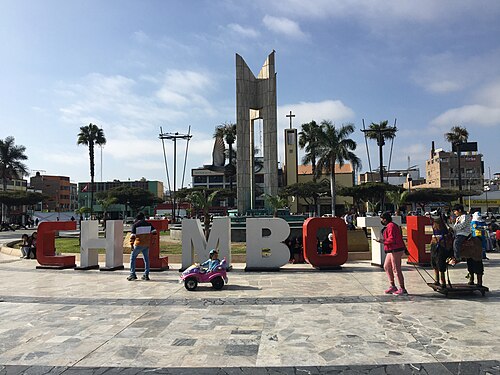
Chimbote is a coastal city located in the Ancash region of northern Peru, approximately 400 kilometers northwest of Lima. Known for its strategic position as a major port, Chimbote plays a critical role in the country's fishing industry, particularly for anchovy processing, which is a key component of Peru's economy. The city was officially founded on March 5, 1944, and has since grown around the fishing activities that define much of its identity. It serves as the administrative center for the Santa Province and is characterized by a mix of urban and rural areas, where fishing, agriculture, and small-scale industries coexist.
The population of Chimbote, estimated to be around 250,000 residents, is a melting pot of various cultures and communities. The economy of the city is heavily reliant on the fishing sector, which has established it as one of the largest fishing ports in Peru. In addition to fish processing, Chimbote also engages in the production of fishmeal and fish oil, which are exported worldwide. The city's economy has seen diversification in recent years, with the development of tourism beginning to take a foothold, capitalizing on the area's natural beauty and coastal attractions. Key local landmarks include the impressive Chimbote Cathedral, the bustling Plaza de Armas, and the nearby beaches, which draw both locals and visitors alike.
Challenges facing Chimbote include environmental concerns related to overfishing and pollution, which stem from its industrial activities. The city has been proactive in addressing these issues through community engagement and initiatives aimed at sustainable development. While Chimbote may not be the most recognized city in Peru, its economic significance and unique cultural aspects contribute to the broader narrative of the country’s development and urban landscape. As Chimbote continues to evolve, it highlights the balance between industry, environment, and quality of life for its residents.
Facts about Chimbote
- Chimbote is known as one of the most important fishing ports in Peru, playing a crucial role in the country's fishing industry.
- The city was the site of significant industrial growth in the mid-20th century, becoming a hub for fishmeal production and other seafood processing.
- Chimbote is home to the largest fish processing plant in the world, which processes a significant amount of the catch from the coastal waters of Peru.
- The city has a distinct cultural identity, influenced by its strong fishing economy and the indigenous people of the region.
- The Cathedral of Our Lady of Solitude, located in Chimbote, features beautiful stained glass windows and is a key landmark in the city.
- Chimbote has hosted various cultural events, including the Festival of the Virgin of the Rosary, celebrating the city's religious and cultural heritage.
- The nearby beautiful beaches, such as Las Conchitas and Huaca del Sol, attract both locals and tourists, providing recreational opportunities.
- Chimbote has a unique geological phenomenon called the 'Chimbote Tectonic Trap,' where various marine fossils can be found due to tectonic activity.
- The city's population growth has been marked by significant migration from rural areas, making it a melting pot of cultures within Peru.
- Chimbote is strategically located near the Santa River, which has historical significance and has been vital for local agriculture and fishing.