Chincha Alta, Peru
- 153,076 people
- 6 places to visit
- -13.4255, -76.1367
Places to Visit (6)
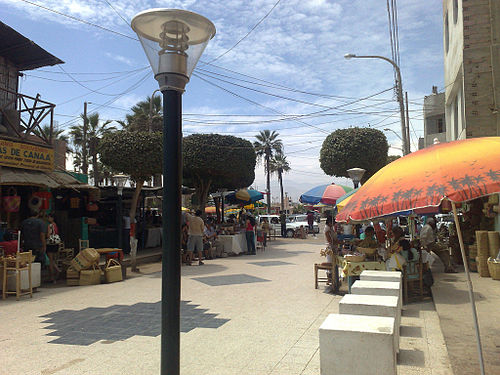
Chincha Alta is a bustling city located in the Ica Region of Peru, situated approximately 200 kilometers south of Lima. As the capital of the Chincha Province, Chincha Alta is known for its rich cultural heritage and significant Afro-Peruvian community. The city has a population of around 90,000 inhabitants and serves as a commercial and agricultural hub for the surrounding rural areas. The economy of Chincha Alta is predominantly based on agriculture, with the cultivation of corn, cotton, and various fruits playing a vital role. The region is also recognized for its production of Pisco, a traditional Peruvian brandy that has gained international acclaim.
Chincha Alta's cultural landscape is marked by its vibrant Afro-Peruvian traditions, which are expressed through music, dance, and food. The city hosts several festivals throughout the year, including the well-known Festival de la Vendimia, celebrating the grape harvest and the production of Pisco. Additionally, Chincha Alta is renowned for its historical sites, such as the colonial-era churches and the Chiribamba archaeological site, which reflect its historical significance dating back to pre-Columbian cultures. The city is also a gateway to other attractions in the Ica region, including the Huacachina oasis and the Nazca Lines, making it a popular stop for both domestic and international tourists. With its blend of history, culture, and agricultural richness, Chincha Alta continues to be an important contributor to Peru’s diverse identity.
Facts about Chincha Alta
- Chincha Alta is known as the 'Capital of Afro-Peruvian Culture' due to its significant Afro-Peruvian population and cultural contributions.
- The city is famous for its vibrant festivals, particularly the Fiesta de la Virgen de las Mercedes, which showcases traditional music, dance, and gastronomy.
- Chincha Alta has a rich history tied to the colonial sugarcane industry, evidenced by the many old sugar mills that are still present in the region.
- It is home to the 'Huaco de Chincha', a type of pottery from pre-Columbian times that is noted for its intricate designs and historical significance.
- Chincha Alta is recognized for its agricultural productivity, particularly in the cultivation of grapes, leading to the production of Pisco, Peru's national spirit.
- The city features the historic church of San Juan Bautista, which represents an important example of colonial architecture in the area.
- Chincha Alta hosts the renowned Afro-Peruvian music genre called 'Son de los Diablos', which is celebrated for its unique rhythms and instruments.
- Every February, Chincha Alta celebrates the 'Festival of Candelaria', a culturally significant event that draws visitors and highlights local traditions.
- The city's economy is bolstered by its trade and crafts, including the production of textiles and traditional handicrafts that reflect its cultural heritage.
- Chincha Alta played a notable role in the Peruvian War of Independence, being a significant site for revolutionary activities against colonial rule.