Chiquimula, Guatemala
- 111,505 people
- 8 places to visit
- 14.7925, -89.545
Places to Visit (8)
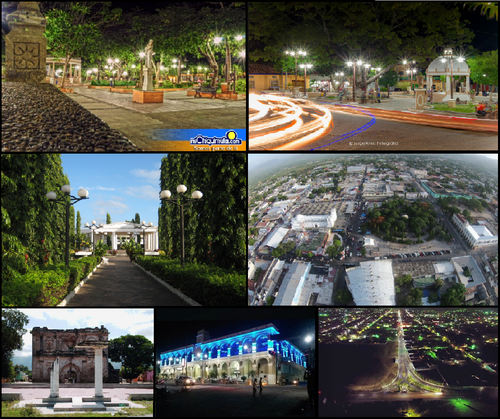
Chiquimula is a vibrant city located in the eastern part of Guatemala, within the department of the same name. Known as the "Gateway to the East," Chiquimula serves as a pivotal trade and transportation hub due to its strategic location near the borders of Honduras and El Salvador. With an elevation of approximately 400 meters (1,300 feet) above sea level, the city enjoys a tropical climate, characterized by warm temperatures and distinct wet and dry seasons. Chiquimula has a rich history dating back to pre-Columbian times, and it became an important Spanish colonial settlement in the 16th century. Its historical significance is reflected in its architecture, including colonial-style churches and structures that still grace the town center.
Today, Chiquimula is a bustling urban center, home to some 50,000 residents, although the wider metropolitan area boasts a larger population. The local economy is primarily driven by commerce, agriculture, and small-scale manufacturing. Agriculture in the surrounding rural areas focuses on crops such as coffee, corn, and sugarcane, which contribute to both local consumption and export. The city is also known for its regional markets offering a variety of goods, from fresh produce to traditional handicrafts, where locals and visitors can experience the rich cultural tapestry of the region. Chiquimula's position as a trade conduit is further enhanced by its proximity to major highways, facilitating economic exchanges with neighboring countries. The city is also notable for its educational institutions and healthcare facilities, which serve the local populace and contribute to its development.
Chiquimula's cultural fabric is vibrant and diverse, influenced by its indigenous roots and Spanish colonial heritage. Traditional festivals, such as the celebration of San Sebastián in early January, showcase the local customs, music, and dance, attracting many visitors from both nearby regions and afar. The city is also known for its culinary offerings, which feature both traditional Guatemalan dishes and influences from neighboring countries, making it a culturally rich and appealing destination. Despite facing challenges such as poverty and limited infrastructure, Chiquimula continues to grow and evolve, balancing its historical significance with modern urban development, making it an essential part of Guatemala's cultural and economic landscape.
Facts about Chiquimula
- Chiquimula is often referred to as the 'Gateway to the East' due to its strategic location near the El Salvador border.
- The city was founded in 1544, making it one of the older settlements in Guatemala.
- Chiquimula is known for its unique annual festival called Feria de San Bartolomé, which includes traditional music, dance, and processions.
- The region around Chiquimula is famous for its production of high-quality coffee, particularly in the surrounding areas of the department.
- Chiquimula is home to the historic San Bartolomé Church, which dates back to the colonial period and showcases Baroque architectural elements.
- The city features the 'Parque Central', a picturesque central park that serves as a gathering place for locals and hosts various cultural events.
- Chiquimula has a diverse demographic, with a mix of indigenous and mestizo populations, contributing to its rich cultural tapestry.
- The nearby Sierra de las Minas mountains provide a stunning natural backdrop and are a UNESCO Biosphere Reserve, known for their biodiversity.
- Chiquimula was the site of significant battles during Guatemala's civil war, making it an important historical location in the country's recent history.
- The city has a thriving market scene, where one can find traditional handicrafts, local foods, and agricultural products, distinct from larger urban centers.