Chojnice, Poland
- 39,407 people
- 13 places to visit
- 53.6944, 17.5569
Places to Visit (13)
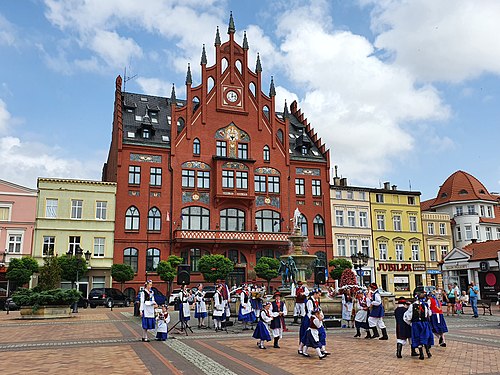
Chojnice, a picturesque town located in northern Poland, is part of the Pomeranian Voivodeship and serves as a significant hub within the region. With a population of approximately 40,000 residents, Chojnice is situated near the banks of the Brda River and is surrounded by lush forests and beautiful lakes, making it a popular destination for nature enthusiasts. The town's history dates back to the Middle Ages, with its establishment around the 13th century, and it was granted town privileges in 1284. Chojnice has been influenced by various cultures over the centuries, including Polish, German, and Swedish, reflecting a rich tapestry of historical significance.
The architectural landscape of Chojnice features a blend of Gothic, Renaissance, and Baroque styles, with notable landmarks such as the Church of the Assumption of the Blessed Virgin Mary, which dates back to the 14th century, and the remnants of the medieval town walls that once fortified the settlement. The town is also home to the Chojnice Forest, a part of the larger Bory Tucholskie National Park, which offers numerous hiking and cycling trails, as well as recreational opportunities for visitors. Annual events such as the Chojnice Cultural Festival celebrate local traditions, music, and art, attracting tourists and fostering community spirit. As an important cultural and historical center, Chojnice not only showcases its diverse heritage but also represents a gateway to exploring the natural beauty of Northern Poland.
Facts about Chojnice
- Chojnice is known for its unique medieval wooden buildings, particularly the Church of St. John the Baptist, which showcases the unique architectural style of the Pomeranian region.
- The town is home to the Chojnice County Museum, which features exhibits on the history and culture of the region, including artifacts from the Teutonic Knights.
- Chojnice is surrounded by the beautiful Bory Tucholskie National Park, offering rich biodiversity and numerous recreational opportunities such as hiking and canoeing.
- The city hosts the annual 'Chojnice Music Festival,' which attracts musicians from various genres and brings together local and international talent.
- Chojnice is historically significant as it served as a vital trade center in the Pomeranian region during the Middle Ages, contributing to its economic development.
- The town's location at the confluence of several rivers, including the Brda and the Chojnica, played a crucial role in its establishment and growth as a trading hub.
- Chojnice has a rich Jewish heritage, with remnants of the significant Jewish community that existed there before World War II, including a Jewish cemetery.
- The Chojnice Castle, built in the 14th century, is a remarkable historical landmark, though much of its structure has been lost over time.
- The city celebrates its annual 'Chojnice Folk Festival,' highlighting local culture, crafts, and traditions, and featuring performances by regional folk groups.
- Chojnice is recognized for its thriving local agriculture, particularly in producing fruits and vegetables, which contribute significantly to the local economy.