Chrzanów, Poland
- 39,973 people
- 14 places to visit
- 50.1355, 19.4021
Places to Visit (14)
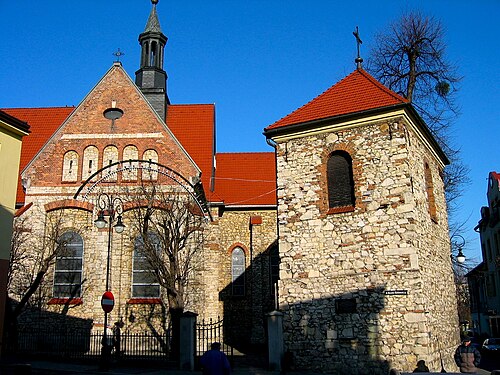
Chrzanów is a town in southern Poland, located within the Lesser Poland Voivodeship, approximately 30 kilometers northwest of Kraków. The town serves as the administrative seat of Chrzanów County and is situated at the confluence of the Chechło and Płazówka rivers. With a population of around 20,000, Chrzanów is characterized by its rich history and industrial heritage. The area has been inhabited since ancient times, with archaeological sites indicating settlement as far back as the Neolithic era. In the 14th century, Chrzanów received town rights, symbolizing its significance in the region during the Middle Ages.
Economically, Chrzanów has a diverse industrial base, which has evolved over the years. Historically, the town thrived on coal mining and textile manufacturing, which were pivotal to its development during the Industrial Revolution. Although the decline of traditional industries in the late 20th century affected the local economy, Chrzanów has adapted by fostering small and medium enterprises, particularly in sectors such as manufacturing and service industries. The town is well-connected, with access to major roads and proximity to rail lines that facilitate transport to larger urban centers. This makes it an attractive location for business and industry while maintaining its residential charm.
Chrzanów also boasts several cultural and recreational amenities, including parks, sports facilities, and historical sites. Notable landmarks include the neo-Gothic Church of St. Nicholas, which dates back to the 19th century, and several preserved buildings from its time as a thriving market town. The local community engages actively in cultural events, and the town hosts various festivals celebrating Polish traditions. Chrzanów is surrounded by picturesque landscapes, including the nearby Silesian Upland, which offers outdoor recreation opportunities. Overall, Chrzanów exemplifies a blend of historical significance and contemporary development, making it an interesting point of convergence for heritage and modern living in Poland.
Facts about Chrzanów
- Chrzanów is known for its rich medieval history, having been first mentioned in historical records in 1253.
- The city is located at the confluence of the Chechło River and the Sztoła River, contributing to its scenic landscapes.
- Chrzanów was an important center for coal mining in the 19th and early 20th centuries, significantly contributing to the local economy.
- The Gothic-style Church of St. Nicholas, dating back to the 14th century, is one of Chrzanów's prominent landmarks.
- Chrzanów hosts the annual Emil Zegadłowicz Literary Festival, celebrating the legacy of one of Poland's notable writers from the region.
- The city is home to the Chrzanów Museum, which showcases local history, culture, and art, including artifacts from the mining era.
- Chrzanów played a significant role during World War II, particularly as a site of resistance against German occupation.
- The nearby historic town of Trzebinia was once closely linked with Chrzanów, particularly in terms of trade and coal production.
- Chrzanów is surrounded by picturesque landscapes, including the Silesian Upland and various nature reserves, making it a destination for outdoor enthusiasts.
- The city is a part of the Lesser Poland Voivodeship, a region known for its historical significance and cultural heritage.