Cibitoke, Burundi
- 36,959 people
- 2 places to visit
- -2.9107, 29.1263
Places to Visit (2)
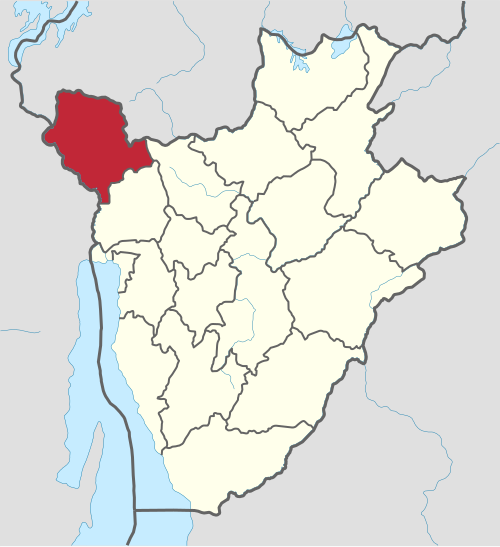
Cibitoke is a city located in the northwestern part of Burundi, serving as the capital of Cibitoke Province. Established against a backdrop of lush hills and rolling landscapes, it is positioned roughly 50 kilometers from the capital city, Gitega. Cibitoke is situated at an elevation of about 1,200 meters above sea level, which contributes to its moderate climate characterized by cooler temperatures compared to other regions in Burundi. The city's geographical location has made it a critical point for trade and commerce, especially in agricultural goods, as it lies near the borders with both Rwanda and the Democratic Republic of the Congo. The region is rich in fertile soils, enabling the cultivation of crops such as beans, maize, and cassava, which are staple foods for the local population.
Cibitoke has a population with diverse ethnic backgrounds, primarily consisting of Hutu and Tutsi communities. The city reflects the dynamic cultural tapestry of Burundi, showcasing local traditions, customs, and craftsmanship. Although it has faced challenges linked to the country's political instability, particularly during the civil conflict in the late 1990s and early 2000s, Cibitoke has been gradually recovering and developing. The local economy relies significantly on agriculture, which employs a large proportion of the population, but there is also an increasing interest in expanding other industries and improving infrastructural development to enhance connectivity and access to markets. In recent years, local governance and community initiatives have aimed to foster social cohesion and economic development, making Cibitoke an important focal point for more sustainable growth in Burundi's overall development.
Facts about Cibitoke
- Cibitoke is known for its rich agricultural landscape, particularly in coffee production, which is a significant contributor to the local economy.
- The city is situated in the northwestern part of Burundi, making it strategically located near the border with the Democratic Republic of the Congo.
- Cibitoke is home to the Rwenzori Mountains, offering unique opportunities for hiking and ecotourism, setting it apart from many other cities in Burundi.
- The local culture is heavily influenced by various ethnic groups, including the Hutu and Tutsi, contributing to a diverse cultural heritage that is showcased in local festivals and traditions.
- Cibitoke hosts the Cibitoke Weekly Market, one of the largest in the region, which highlights local crafts, agricultural products, and fosters trade between communities.
- The area around Cibitoke features several natural lakes, providing habitat for diverse wildlife and opportunities for fishing, making it a notable ecological site.
- Historically, Cibitoke played a role during the Burundian Civil War, serving as a site of various historical events that shaped the country's modern history.
- Cibitoke is less urbanized compared to other major cities like Bujumbura, offering a more rural lifestyle that appeals to those seeking a quieter environment.
- The region is known for its vibrant arts scene, including traditional music and dance, which is distinct from the urban cultural expressions found in larger cities.
- Cibitoke has been recognized for its community-driven development projects, particularly in education and health, distinguishing it as a proactive place for local governance.