Ciego de Ávila, Cuba
- 142,027 people
- 8 places to visit
- 21.8405, -78.759
Places to Visit (8)
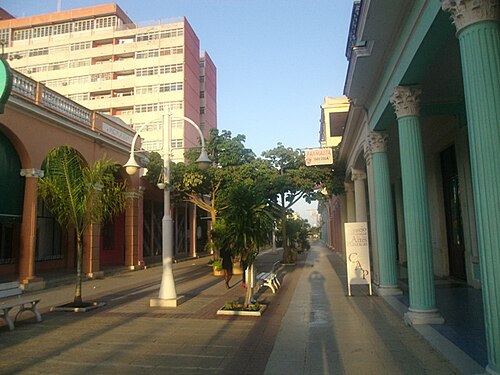
Ciego de Ávila is a province and city located in central Cuba, known for its rich agricultural landscapes, historical significance, and vibrant culture. The city serves as the capital of Ciego de Ávila Province and plays a crucial role in the region’s economy, particularly in sugar production and tobacco cultivation. Established in 1840, Ciego de Ávila was originally named "Ciego de Ávila" due to the nearby Ciego River. The city has since grown into a bustling urban center, characterized by neoclassical architecture and lively plazas that reflect both colonial and post-colonial influences.
Ciego de Ávila’s strategic location makes it a key transportation hub, linking major cities and tourist destinations, including the picturesque Jardines del Rey archipelago. The province boasts rich natural resources, such as fertile farmlands, which support the cultivation of crops like sugarcane, potatoes, and various fruits and vegetables. Visitors to the city can explore local markets and enjoy authentic Cuban cuisine, heavily influenced by the agricultural bounty of the region. Culturally, Ciego de Ávila is home to a vibrant arts scene, including music festivals and traditional dance, showcasing the island's rich cultural heritage. The city's schools and institutions promote the creative arts, helping to foster a community that values its history and artistic expression.
Tourism in Ciego de Ávila is on the rise, driven by interest in both its rural landscapes and urban attractions, such as parks, historical sites, and recreational areas. Outdoor enthusiasts can engage in various activities including hiking and birdwatching in nearby national parks, while the proximity to coastal areas offers opportunities for water sports and relaxation by the beach. With its combination of natural beauty, cultural depth, and economic importance, Ciego de Ávila is an intriguing destination in Cuba that embodies the spirit and resilience of the nation.
Facts about Ciego de Ávila
- Ciego de Ávila is known as the 'City of the Pelicans' due to the large number of pelicans that inhabit the area, making it distinct in its avian presence.
- The city is home to the largest sugar mill in Cuba, the 'Centrales azucareros', highlighting its historical importance in the sugar industry.
- Ciego de Ávila hosts the annual Camaguey and Ciego de Ávila Carnival, which is one of the most colorful and vibrant celebrations in the country.
- The city features the unique provincial museum, Museo Provincial de Ciego de Ávila, which houses a significant collection of indigenous artifacts and local history.
- Ciego de Ávila was established in 1842 and has a distinctly planned urban layout compared to many other towns in Cuba, reflecting a more modern approach to city planning.
- It is known for its extensive agricultural production, particularly in rice and citrus fruits, contributing significantly to Cuba's agricultural output.
- The city center is characterized by its neoclassical architecture and central park, Parque José Martí, distinguishing it from other towns with more colonial styles.
- Ciego de Ávila is the gateway to some of Cuba's premier beach resorts, including Playa Pilar and Varadero, attracting tourism in a unique way.
- The local cuisine features specialties such as 'fritura de malanga' and 'congrí', which are unique to the region and not commonly found in other parts of Cuba.
- Ciego de Ávila is also known for its commitment to sports, being home to the famous Avileño baseball team, which has produced numerous professional players.