Cieza, Spain
- 35,200 people
- 6 places to visit
- 38.2421, -1.4217
Places to Visit (6)
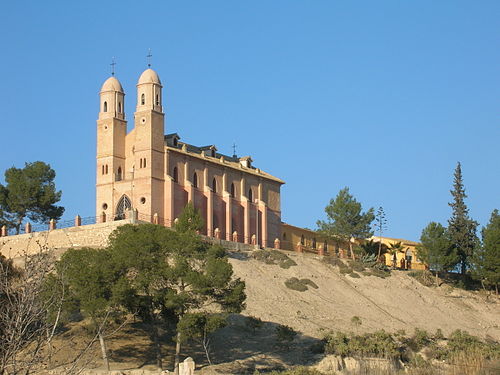
Cieza is a municipality and town located in the southeastern region of Spain, specifically in the autonomous community of Murcia. Nestled in the fertile valley of the Segura River, Cieza is known for its strategic location between the cities of Murcia and Albacete. The town's origins can be traced back to the Iberian and Roman eras, with numerous archaeological findings highlighting its historical significance. A prominent feature of Cieza is its diverse agricultural sector, with the fertile lands surrounding the town producing a variety of fruits and vegetables, particularly pears, peaches, and olives. The region's favorable climate contributes to its productive agriculture, making Cieza a vital part of the Murcia region's economy.
Cieza also boasts a rich cultural heritage, evident in its historical architecture and local traditions. The town is characterized by its well-preserved monuments, such as the Church of Our Lady of Sorrows, an example of baroque architecture, and the Gothic-style Church of Santiago. Additionally, Cieza celebrates various festivals throughout the year, which showcase its vibrant culture, including the Semana Santa (Holy Week) processions that attract visitors from all over Spain. The natural surroundings of Cieza are equally captivating, with the nearby Sierra de Almadenes offering opportunities for hiking and outdoor activities. Furthermore, the town's historical significance and cultural landmarks contribute to its charm, making Cieza a unique destination that reflects the rich tapestry of Spanish history and tradition.
Facts about Cieza
- Cieza is renowned for its production of the Cieza's fig, a variety that is highly valued in Spain for its taste and quality.
- The city is home to the stunning Las Fuentes del Marqués, a series of beautiful natural springs that are historically significant and attract many visitors.
- Cieza hosts the annual Festival of the Cieza Artichoke, celebrating the region's agricultural heritage and promoting local produce.
- The city features unique historical sites like the medieval Castle of Cieza, which offers panoramic views of the surrounding landscape.
- Cieza is located at the confluence of the Segura and the Cieza rivers, providing a rich and diverse natural environment.
- It is known for its unique geographical feature, the 'Cieza Gorge,' a stunning landscape that showcases the region's geological diversity.
- Cieza has a historical connection to the ancient Phoenicians, who established trade routes in the area that contributed to its early development.
- The city is famous for its Holy Week celebrations, which include elaborate processions and the participation of various religious brotherhoods, reflecting deep local traditions.
- Cieza enjoys a semi-arid Mediterranean climate, which makes it one of the warmest regions in Spain, contributing to its agricultural productivity.
- In recent years, Cieza has become known for the 'Cieza Cup,' an annual international youth football tournament, showcasing young athletic talent from various countries.