Cimahi, Indonesia
- 590,782 people
- 15 places to visit
- -6.8841, 107.5413
Places to Visit (15)
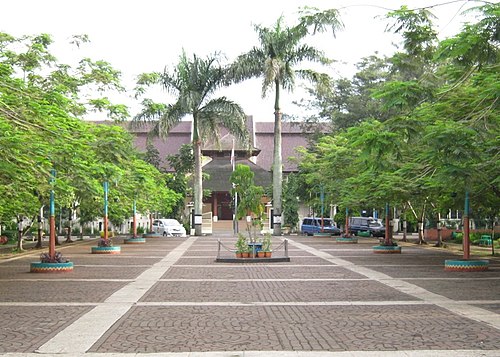
Cimahi is a city located in West Java, Indonesia, situated just to the northwest of Bandung, the provincial capital. Officially recognized as a city in 2001, Cimahi was separated from the Bandung Regency, although it shares strong historical and cultural ties with its neighboring areas. The city's geographical features include a mix of flatland and hilly terrain, contributing to its lush landscapes and a generally cooler climate due to its elevation. The name "Cimahi" derives from the Sundanese language, meaning "water flows," a reference to the rivers and water resources in the area.
The population of Cimahi is diverse, primarily comprising Sundanese, along with other ethnic groups from across Indonesia. As of the latest census, the city boasts a population of over 300,000 residents, fostering a vibrant community with rich cultural practices and traditions. The local economy is characterized by a mix of industries, including textiles, manufacturing, and agriculture, as well as a growing service sector. Cimahi's strategic location makes it a transit point for people traveling to Bandung and other areas, promoting connectivity and economic activities. Educational institutions, both public and private, are also prominent in the city, contributing to its role as an educational hub in West Java.
Cimahi is known for its attractions, which include natural parks, cultural landmarks, and recreational facilities that appeal to both residents and visitors. The city's efforts in urban planning and development are visible in its infrastructure improvements and public amenities. Overall, Cimahi represents a blend of urban and rural living, with opportunities for economic growth while retaining its cultural heritage and environmental beauty. Its proximity to Bandung further enhances its significance as a growing urban center in West Java.
Facts about Cimahi
- Cimahi is known for its unique geographical location as it sits on the border between Bandung and West Bandung Regency, serving as a bridge between urban and rural areas.
- The city has a rich military history, particularly noted for its role during the Indonesian National Revolution, which has shaped its community and cultural identity.
- Cimahi is famous for the Cimahi Waterfall, a natural attraction that offers stunning views and a tranquil environment, making it a popular spot for both locals and tourists.
- The city is home to the Cimahi Culinary Festival, an annual event that showcases a variety of traditional Indonesian dishes, promoting local cuisine and culinary arts.
- Cimahi has a significant number of educational institutions, including several reputable universities, making it an educational hub in West Java province.
- The Multi-Purpose Building (Gor Cimahi) in Cimahi is a prominent venue for sports events and cultural activities, hosting various competitions and community gatherings.
- Cimahi is known for its vibrant art scene, with numerous local artisans and craftsmen creating unique handicrafts that reflect the city’s cultural heritage.
- The city has implemented several green initiatives, including the development of parks and eco-friendly spaces, distinguishing it as a forward-thinking urban area.
- Cimahi has a diverse population, including a mix of ethnic groups which contributes to its rich cultural tapestry and lively community events throughout the year.
- The city's economy is bolstered by its proximity to Bandung, fostering numerous small to medium enterprises focused on textiles and manufacturing.