Cirebon, Indonesia
- 341,980 people
- 17 places to visit
- -6.732, 108.5523
Places to Visit (17)
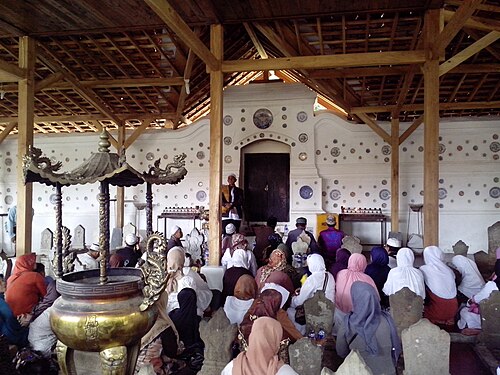
Cirebon is a vibrant city located on the north coast of Java, Indonesia, known for its rich cultural heritage and historical significance. Strategically positioned at the confluence of trade routes between Java and Sumatra, Cirebon has a long history of commerce and cultural exchange that dates back to the 15th century. The city was an important port during the Sultanate era and continues to play a significant role in regional trade today. Cirebon is renowned for its unique blend of Javanese, Chinese, and Islamic influences, which is reflected in its architecture, cuisine, and local customs.
One of Cirebon's most notable attractions is the Keraton Kasepuhan, the royal palace of the Sultanate of Cirebon, which showcases stunning Javanese architecture and houses a collection of artifacts and traditional items that tell the city’s storied past. The city is also famous for its batik, a traditional cloth-dyeing technique. Cirebon's batik combines intricate designs with vibrant colors, providing livelihoods for many local artisans. The culinary scene in Cirebon is equally captivating, featuring dishes like Nasi Jamblang, a rice dish served with an array of side dishes, and Tahu Gejrot, fried tofu served with a spicy sauce.
Cirebon is also an educational and cultural hub, hosting various universities and institutions that attract students from across the region. The city’s vibrant festivals, such as the annual Emon Cake Festival and the traditional Cirebon Cultural Festival, celebrate its heritage while fostering community spirit. With its rich history, dynamic culture, and significant economic role in Java, Cirebon continues to be an important city that embodies the diversity and spirit of Indonesia.
Facts about Cirebon
- Cirebon is known as a cultural hub for the Sundanese people, blending elements of Javanese and Sundanese culture.
- The city is famous for its Cirebon batik, a unique style of batik that incorporates Chinese and Islamic influences, recognized for its intricate patterns and vibrant colors.
- Cirebon is home to the historic Keraton Kasepuhan, a royal palace established in the 16th century that showcases a mix of Javanese and Dutch architectural styles.
- The city's port of Cirebon has played a significant role in Indonesia's maritime trade history, especially during the Islamic Sultanate era.
- One of Cirebon's notable achievements includes being a center for the spread of Islam in Java, with notable scholars and trade activities accelerating the religion's adoption.
- Cirebon is famous for its traditional culinary delights, particularly Nasi Jamblang, which is rice served with various side dishes wrapped in leaves.
- The city hosts the annual Cirebon International Kite Festival, which attracts participants and spectators from across the globe.
- Cirebon has a unique historical site known as Sunyaragi Cave, a historic garden built during the Sultanate period that served as a meditation and resting place for the sultan.
- The city is also distinguished by its vibrant tradition of wayang kulit (shadow puppetry), with performances often reflecting Cirebon's local culture and folklore.
- Cirebon is recognized for producing varying types of traditional music, particularly the genre known as 'Gamelan Cirebon,' which reflects the city's rich cultural diversities.