Città di Castello, Italy
- 22,497 people
- 14 places to visit
- 43.4642, 12.2401
Places to Visit (14)
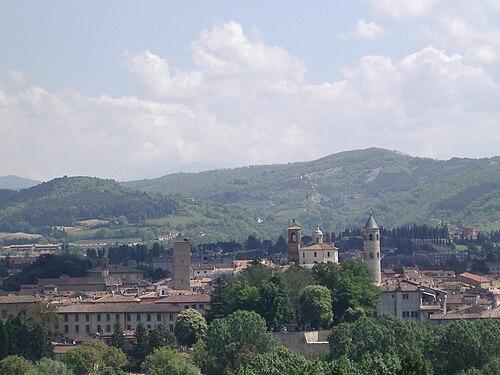
Città di Castello is a picturesque city located in the province of Perugia, in the Umbria region of central Italy. Situated on a hill overlooking the Tiber River valley, it boasts a rich historical heritage that dates back to the Etruscan era, with its name literally meaning "City of the Castle." The town has played an important role throughout history, particularly during the Middle Ages, when it became an integral part of various territorial conflicts and political struggles in central Italy. Its strategic position made it a focal point for trade and military operations, which is evident in the well-preserved architecture and city walls that still stand today.
The town is renowned for its exceptional artistic legacy, especially during the Renaissance period, which is reflected in its numerous churches, palaces, and public squares. Notably, the Cathedral of San Florido, originally built in the 11th century and later renovated, serves as a centerpiece of the city. Moreover, Città di Castello is recognized for its connection to prominent artists, such as the painter Alberto Burri, who was born nearby and played a significant role in the 20th-century art movement known as Arte Povera. Today, the city's Museo Burri, among other cultural institutions, showcases contemporary works while celebrating the area's artistic history, making it a hub for creativity and cultural appreciation.
Città di Castello is also characterized by its robust local economy, which is primarily driven by agriculture, textile manufacturing, and artisanal production. The surrounding countryside is fertile and supports the cultivation of various agricultural products, including olive oil and wine, which contribute to the region’s gastronomic delight. The city celebrates its rich culinary traditions through festivals and events, attracting visitors eager to experience Umbrian cuisine. Additionally, the town’s vibrant community life, combined with its cultural offerings and natural beauty, makes Città di Castello an attractive destination for both tourists and residents, blending historical significance with modern-day charm.
Facts about Città di Castello
- Città di Castello is home to the oldest preserved Jewish cemetery in Italy, dating back to the 16th century.
- The town is known for its production of high-quality ceramics, with a tradition that dates back to the Renaissance period.
- Città di Castello was an important center for the Umbrian Renaissance, featuring notable artists like Niccolò Circignani and the painter and sculptor Giorgio Vasari.
- The city has a unique coat of arms that features a red castle, symbolizing its historical role as a fortified town.
- Città di Castello hosts the annual 'Città di Castello International Music Festival,' attracting talented musicians from around the world.
- The town is famous for its chocolate festival, ‘Festa del Cioccolato,’ which celebrates artisanal chocolate-making every year.
- Città di Castello is surrounded by picturesque hills and valleys, making it part of the 'Colli del Trasimeno' wine production area known for its quality wines.
- The city features the 'Palazzo Communale,' a stunning Gothic-style town hall that dates back to the 13th century and features impressive frescoes.
- The Museum of the Academy of Fine Arts in Città di Castello houses important works from the Umbrian Renaissance, differentiating it from many other towns with art collections.
- Città di Castello is located at the confluence of the Tiber and the Nestore rivers, providing a unique geographical feature that has influenced its history and development.