Ciudad Benito Juárez, Mexico
- 151,893 people
- 4 places to visit
- 25.6517, -100.1059
Places to Visit (4)
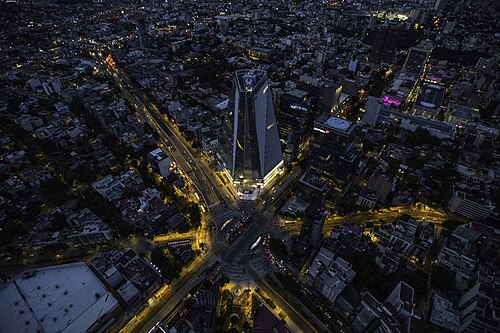
Ciudad Benito Juárez, often referred to simply as Juárez, is a vibrant city located in the northeastern region of the Mexican state of Chihuahua. It is situated on the northern bank of the Rio Grande, directly across from El Paso, Texas, making it an integral part of the U.S.-Mexico border region. With a population of over 1.5 million people, it is one of the largest cities in Mexico and serves as a significant cultural, economic, and social hub. The city was named in honor of the renowned Mexican President Benito Juárez, who was instrumental in promoting indigenous rights and government reform during the 19th century.
Juárez's economy is multifaceted, bolstered by industries such as manufacturing, commerce, and services. The city is part of the "maquiladora" program, which allows foreign companies to establish assembly plants in Mexico, taking advantage of lower labor costs. This has led to the development of a robust manufacturing sector, producing goods such as electronics, textiles, and automotive parts. The date of its formation can be traced back to the late 19th century, but it rapidly grew in the 20th century, fueled by migration and increased economic activities. The city's strategic location as a border town enhances trade and cultural exchange between the United States and Mexico.
Despite its economic growth, Ciudad Juárez has faced significant challenges, particularly related to security and violence due to drug trafficking and organized crime. This has affected its image and the quality of life for residents. However, city leaders and the community have continued to work on initiatives aimed at improving safety, promoting tourism, and enhancing infrastructure. Cultural institutions, such as museums and theaters, alongside events like the annual "Feria Juárez" festival, contribute to the city's rich cultural landscape, reflecting a blend of Mexican and border culture. Overall, Ciudad Benito Juárez is a dynamic city that embodies the complexities of life at the border while striving towards growth and improvement amidst its challenges.
Facts about Ciudad Benito Juárez
- Ciudad Benito Juárez, commonly known as Juárez, is located on the U.S.-Mexico border, directly across from El Paso, Texas, making it a significant point for cross-border trade and cultural exchange.
- The city was originally named 'El Paso del Norte' before being renamed in honor of Mexican President Benito Juárez in 1888 to reflect its prominence in Mexican history.
- Juárez is known for being home to the largest international bridge in the world, the Paso del Norte Bridge, facilitating a high volume of pedestrian and vehicle traffic between Mexico and the U.S.
- The city has a notable history linked to the Mexican Revolution, serving as a base for revolutionary leaders such as Francisco Villa, who fought for social justice and land reform.
- Ciudad Juárez features the Star on the Mountain (Estrella de Juárez), a large illuminated star on the hill overlooking the city, which is a symbol of hope and is visible from both sides of the border.
- Juárez is recognized for its rich cultural scene, including the annual El Paso-Juárez Borderfest, which celebrates the cultural fusion of Mexican and American traditions.
- The city has made significant contributions to the maquiladora industry, being one of the largest manufacturing hubs in Mexico, which has attracted a large workforce and significantly impacted its economy.
- Juárez hosts the famous 'Plaza de la Mexicanidad', a cultural and social center that features important monuments and public art that celebrate Mexican heritage.
- The city is noted for its historical significance in the day of the dead celebrations, showcasing intricate traditions and vibrant artistic expressions unique to the region.
- Ciudad Juárez has seen extensive urban development and revitalization projects aimed at improving public safety, infrastructure, and cultural offerings in recent years.