Ciudad Bolívar, Venezuela
- 412,619 people
- 9 places to visit
- 8.0883, -63.5536
Places to Visit (9)
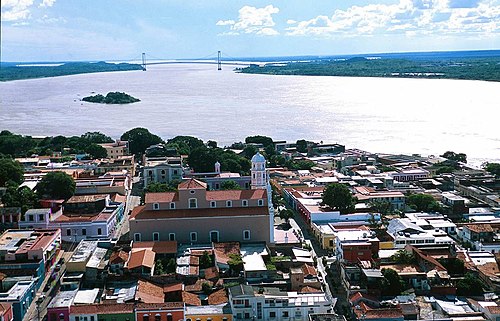
Ciudad Bolívar is the capital of the Bolívar state in Venezuela, located in the southeastern part of the country along the banks of the Orinoco River. Historically known as Angostura, the city was founded in 1764 and later renamed in honor of Simón Bolívar, the leader of the Venezuelan independence movement. The strategic location of Ciudad Bolívar, near the confluence of several rivers, played a pivotal role in both its early development and its current status as a hub for trade and transportation in the region. The city has a rich colonial heritage, with notable landmarks such as the Cathedral of Ciudad Bolívar and the historic Casa de Angostura, which served as the meeting place for the Congress of Angostura in 1819, where the foundations for the Republic of Gran Colombia were laid.
Today, Ciudad Bolívar is characterized by its vibrant culture, scenic landscapes, and proximity to the natural wonders of Venezuela, including the nearby Canaima National Park and the famous Angel Falls. The economy of Ciudad Bolívar primarily relies on industries such as gold mining, agriculture, and tourism, with the latter benefiting from the city's access to significant ecological attractions. As a regional center, Ciudad Bolívar plays a vital role in commerce for the Bolívar state, facilitating trade with other parts of Venezuela as well as neighboring countries. However, like many urban areas in Venezuela, Ciudad Bolívar faces challenges such as economic instability, crime, and infrastructure issues. Despite these difficulties, the city continues to preserve its historical significance and cultural richness, making it an essential part of Venezuela's identity.
Facts about Ciudad Bolívar
- Ciudad Bolívar is named after Simón Bolívar, a key figure in Latin America's independence movements, and serves as the capital of the Bolívar state.
- The city is located on the banks of the Orinoco River, making it a crucial port for trade and transportation in the region.
- Ciudad Bolívar features a unique blend of colonial and modern architecture, with notable landmarks like the Catedral de Ciudad Bolívar, built in the 18th century.
- The historical center of Ciudad Bolívar is recognized for its well-preserved colonial buildings and cobblestone streets, contributing to its cultural heritage.
- It is considered the gateway to the Canaima National Park, home to the world's highest waterfall, Angel Falls, attracting tourists from around the globe.
- The city has a robust cultural scene, including festivals that celebrate Venezuelan folklore, music, and traditional crafts, distinguishing it from other cities.
- Ciudad Bolívar is known for its vibrant riverfront, where locals and visitors alike enjoy recreational activities and scenic views of the Orinoco River.
- The city has a significant history related to the mining industry, particularly gold, which has shaped its economy and demographics over the years.
- Ciudad Bolívar has a diverse population, reflecting a mix of indigenous, African, and European influences, which is evident in the local customs and cuisine.
- The city has become increasingly important in the realm of eco-tourism, promoting sustainable tourism practices due to its proximity to natural attractions.