Ciudad Camilo Cienfuegos, Cuba
- 178,041 people
- 23.1608, -82.328
No places available for this city.
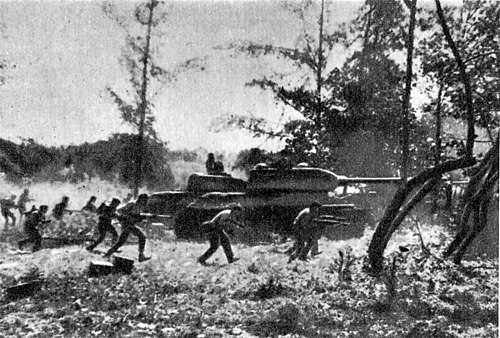
Ciudad Camilo Cienfuegos, commonly referred to as simply Cienfuegos, is a coastal city located in the central-southern region of Cuba. Founded in 1819 by French settlers, it originally bore the name Fernandina de Jagua, in honor of King Ferdinand VII of Spain. The city's strategic location along the Caribbean Sea, at the head of the Cienfuegos Bay, facilitated its growth as a flourishing port and center for commerce. Over time, Cienfuegos developed a unique identity, reflecting its French colonial roots through its architecture, which is characterized by neoclassical and romantic styles. The city was officially renamed Ciudad Cienfuegos in 1900, paying homage to the Cuban independence hero and military leader Camilo Cienfuegos.
Cienfuegos is notable for its well-preserved historical district, which achieved UNESCO World Heritage status in 2005. The cityscape features beautiful plazas, grand buildings, and boulevards, such as the iconic Parque José Martí, where visitors can find numerous cafes and shops. One of the most prominent landmarks is the Palacio de Valle, a stunning structure that showcases a mix of Gothic, Moorish, and neoclassical architectural elements. Cienfuegos is also home to a vibrant cultural scene, with numerous theaters, galleries, and festivals that celebrate the rich heritage of the region. In agriculture, the surrounding areas are known for cultivating sugarcane, tobacco, and citrus fruits, contributing to the local economy. The city serves as a gateway for tourism in Cuba, offering access to natural attractions like the nearby Jardines de la Reina archipelago and the lush Sierra del Escambray mountains, making it a popular destination for both domestic and international visitors.
Facts about Ciudad Camilo Cienfuegos
- Ciudad Camilo Cienfuegos was established in 1976 and is one of the youngest cities in Cuba, named after the Cuban revolutionary leader Camilo Cienfuegos.
- The city is known for its central location in Cuba, situated between the provinces of Cienfuegos and Villa Clara, making it a strategic hub for transportation and commerce.
- Ciudad Camilo Cienfuegos has a distinctive layout, characterized by wide boulevards and green spaces, which is relatively uncommon in many Cuban cities.
- The city is home to a significant population of the Afro-Cuban community, contributing to its vibrant cultural scene and rich traditions.
- An important feature of the city is the 'Plaza de la Revolución', which hosts various events commemorating significant historical dates in Cuban history.
- The nearby Zaza River is integral to the city's economy, providing irrigation for local agriculture and recreational opportunities for residents.
- Ciudad Camilo Cienfuegos celebrates its local culture through annual festivals that highlight music, dance, and local cuisine, distinguishing it from other urban areas in Cuba.
- The city has a growing industrial sector, particularly in sugar production, which contributes significantly to the local economy and employment.
- Architecturally, Ciudad Camilo Cienfuegos showcases modernist designs that reflect the post-revolutionary period's aspirations, contrasting with colonial architecture found in older Cuban cities.
- The city's recreational areas, including parks and sports facilities, promote an active lifestyle among its residents, fostering a strong community spirit.