Ciudad Real, Spain
- 74,014 people
- 13 places to visit
- 38.9848, -3.9274
Places to Visit (13)
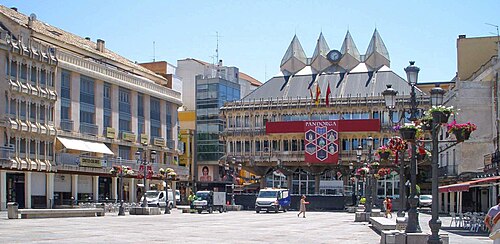
Ciudad Real, the capital of the province of the same name, is located in the autonomous community of Castile-La Mancha in central Spain. Founded in the 13th century by King Alfonso X of Castile, the city played a significant role in the region's history, especially during the Reconquista. The city's name, which translates to "Royal City," reflects its royal origins and status. Throughout the centuries, Ciudad Real grew as a center for agriculture and trade, benefiting from its strategic location along the ancient trade routes between Madrid and Andalusia.
The city features an array of architectural styles, showcasing its historical evolution. Among its notable landmarks is the Cathedral of Nuestra Señora del Prado, built primarily in the Gothic style and completed in the late 16th century. The city is also home to the impressive Plaza Mayor, which serves as a focal point for community gatherings and events. Traditional Spanish plazas, with their cafes and vibrant atmosphere, reflect the local culture. In addition to its historical buildings, Ciudad Real is known for its proximity to natural attractions, including the expansive Campo de Montiel and the Tablas de Daimiel National Park, a UNESCO Biosphere Reserve that attracts nature lovers and birdwatchers.
Ciudad Real is also recognized for its educational institutions and cultural events, contributing to a vibrant local community. The University of Ciudad Real offers a variety of degree programs and promotes research and development in the region. The city's cultural scene is enriched by annual festivities, such as its Carnival and the Feria de Agosto, where locals and visitors enjoy music, dance, and traditional cuisine. With its rich history, architectural beauty, and dynamic community life, Ciudad Real serves as both a cultural hub and a gateway to exploring the diverse landscapes of Castile-La Mancha.
Facts about Ciudad Real
- Ciudad Real is known for the 'Don Quixote Route', a cultural itinerary that pays homage to Miguel de Cervantes' classic novel.
- The city is home to the iconic Ciudad Real Cathedral, which features a unique combination of Gothic and Renaissance architectural styles.
- Ciudad Real hosts the annual 'Festival de los Sentidos', a gastronomic festival that celebrates local produce and cuisine, attracting food enthusiasts from across Spain.
- The city was established in the 13th century and served as an important base for the Reconquista, making it rich in history and cultural heritage.
- Ciudad Real has one of the largest urban parks in Spain, the Parque de Gasset, which offers recreational facilities and beautiful green spaces for residents and visitors.
- The city's tradition of Manchego cheese production is notable, and it is recognized by the Denomination of Origin (DO) status.
- Ciudad Real is home to the Railway Museum, which highlights the city's historical significance as a transport hub in the 19th century.
- The city has a vibrant artisan community, particularly known for traditional crafts like pottery and leather goods, reflecting the rich cultural heritage of the La Mancha region.
- Ciudad Real is located near the Tablas de Daimiel National Park, a unique wetland area that is a UNESCO Biosphere Reserve, renowned for its biodiversity.
- The city is the birthplace of notable historical figures, including the 19th-century painter José Royo y Gómez, contributing to Spain's artistic legacy.