Ciudad Río Bravo, Mexico
- 95,647 people
- 7 places to visit
- 25.986, -98.0956
Places to Visit (7)
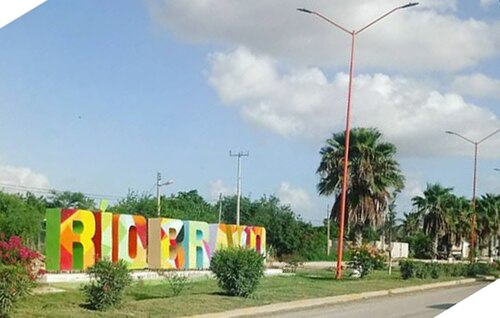
Ciudad Río Bravo is a municipality and city located in the northern part of Mexico, within the state of Tamaulipas. It is situated near the banks of the Rio Grande, directly across from the United States' city of Mercedes, Texas. The city was officially founded on December 29, 1978, following a significant population increase due to migration waves from other parts of Mexico. Río Bravo is characterized by its strategic geographic location as it serves as a point of transit and trade between Mexico and the United States, contributing to its economic viability. The population of Ciudad Río Bravo is diverse, with many residents involved in commerce, services, and agriculture, benefiting from its proximity to the border.
The economy of Ciudad Río Bravo relies heavily on its cross-border commerce, which includes trade in goods and various agricultural products. The city is flanked by several industrial parks that host a variety of businesses, including manufacturing and logistics companies. This economic activity attracts workers from surrounding areas, fostering a vibrant economic landscape. Additionally, agriculture plays an essential role, as the fertile lands around the city support the cultivation of crops like sorghum, maize, and citrus fruits. Socially and culturally, Ciudad Río Bravo reflects the rich traditions of northern Mexico, with local festivals and celebrations that honor historical events and regional customs. The city's residents are known for their hospitality and strong sense of community, which enhances the quality of life and promotes tourism.
Security and public safety have significant considerations in Ciudad Río Bravo, as parts of the state of Tamaulipas have faced challenges related to organized crime and violence. Local authorities and federal agencies are continuously working to improve safety conditions for residents and visitors alike. The city has been the focal point of various developmental initiatives aimed at urban improvement, infrastructure enhancement, and community welfare. In summary, Ciudad Río Bravo offers a unique blend of cultural richness, economic opportunity, and geographical significance, making it an intriguing city within the region of Tamaulipas.
Facts about Ciudad Río Bravo
- Ciudad Río Bravo is known for its proximity to the United States border, specifically adjacent to the city of Brownsville, Texas, making it a significant location for cross-border trade and cultural exchange.
- The city was officially founded in 1970, making it one of the newer cities in Mexico, compared to many other towns and cities with longer histories.
- Río Bravo is part of the state of Tamaulipas, which has a storied past that includes being a significant area during the Mexican Revolution.
- The city hosts the annual Feria de Río Bravo, a festival showcasing the local culture, music, and traditions that highlight the city's unique identity within Tamaulipas.
- Río Bravo has a strong agricultural economy, known for its production of crops such as onions and tomatoes, distinguishing it from other urban areas in Mexico that may rely more on manufacturing.
- The city features various parks and recreational areas, such as the Parque de la Unidad, which serve as community hubs for events and gatherings, emphasizing its focus on community life.
- Ciudad Río Bravo has a prominent local soccer club, Club Deportivo Río Bravo, which fosters local sporting talent and promotes community engagement through sports.
- The city is home to several historical churches and buildings that reflect the architectural styles unique to the region, contributing to its cultural heritage.
- Education is prioritized in Ciudad Río Bravo, with several public and private schools and a commitment to improving educational resources, which sets it apart from other less focused areas.
- Río Bravo has a unique blend of Mexican and Texan influences because of its location, resulting in a distinct culinary scene that features traditional Mexican dishes with local twists.