Cleveland OH, United States
- 388,072 people
- 20 places to visit
- 41.4993, -81.6943
Places to Visit (20)
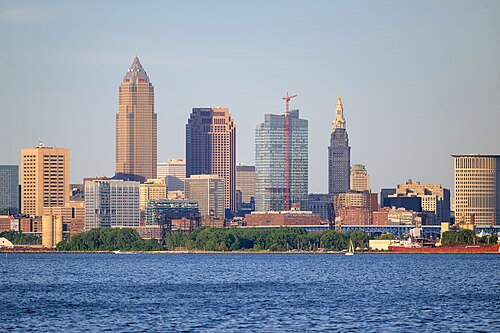
Cleveland, Ohio, is a vibrant city located on the southern shore of Lake Erie, known for its rich history, cultural diversity, and significant contributions to industry and the arts. Founded in 1796 by General Moses Cleaveland, the city grew rapidly due to its strategic location as a port and its access to natural resources. By the late 19th and early 20th centuries, Cleveland became an industrial powerhouse, known particularly for its steel production, manufacturing, and shipping industries. This economic boom attracted a diverse population, with waves of immigrants from Europe and beyond contributing to the city's cultural tapestry. The city earned the nickname "The Forest City" due to its abundance of parks and green spaces, which offer recreational opportunities and scenic beauty.
Cleveland's cultural scene is notable, featuring institutions such as the Cleveland Museum of Art, known for its extensive collection and commitment to free admission, and the Rock and Roll Hall of Fame, which celebrates the history of music and its evolution. The city is home to the Cleveland Orchestra, one of the "big five" American orchestras, and the historic Playhouse Square theater district, which is the largest performing arts center outside of New York City. In addition to the arts, Cleveland is recognized for its sports teams, including the Cleveland Cavaliers in the NBA, the Cleveland Indians (now Guardians) in MLB, and the Cleveland Browns in the NFL, fostering a passionate sports culture among its residents. Despite facing economic challenges in recent decades, Cleveland has seen a resurgence with revitalized neighborhoods, a growing tech sector, and a strong focus on healthcare and biotechnology, marking a transformation that aims to leverage its rich heritage while looking towards a dynamic future.
Facts about Cleveland
- Cleveland is home to the Rock and Roll Hall of Fame, which was established in 1983 to honor influential musicians and industry pioneers.
- The city is known for its extensive cultural institutions, including the Cleveland Museum of Art, which boasts an impressive collection of over 45,000 artworks.
- Cleveland has the world's largest performing arts center, Playhouse Square, featuring 11 theaters and hosting over one million visitors each year.
- The Cuyahoga River, famously known for its pollution, sparked the environmental movement after it caught fire in 1969, leading to significant changes in environmental policy in the U.S.
- Cleveland's West Side Market, established in 1912, is one of the oldest continuously operating public markets in the United States, showcasing over 100 vendors.
- The city is famous for its unique cuisine, especially the Polish Boy, a sandwich made with kielbasa, coleslaw, barbecue sauce, and fries, representing local culinary traditions.
- Cleveland was the first city in the U.S. to implement a citywide public transit system, which began operating in 1892 and laid the foundation for modern urban public transport.
- Cleveland has a strong sports culture, being home to major professional teams like the Cleveland Cavaliers (NBA), Cleveland Browns (NFL), and Cleveland Guardians (MLB).
- The city's Playhouse Square is the second-largest performing arts complex in the U.S., attracting Broadway shows and major performances.
- Cleveland has a rich industrial history, being a major hub for manufacturing and steel production in the early to mid-20th century, shaping much of its economic growth.