Cluj-Napoca, Romania
- 316,748 people
- 14 places to visit
- 46.7712, 23.6236
Places to Visit (14)
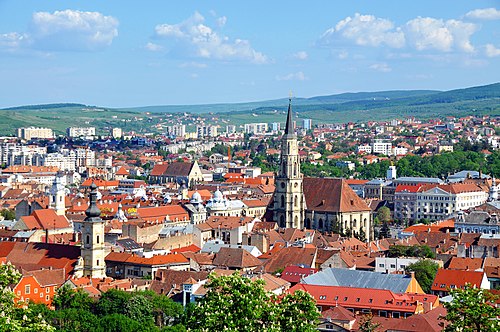
Cluj-Napoca, often referred to simply as Cluj, is one of Romania's most important cultural and academic centers. Located in the northwestern part of the country, in the heart of Transylvania, it serves as the unofficial capital of the region. Established as a Roman city in the 2nd century AD, Cluj-Napoca has a rich history that reflects a confluence of diverse cultures and influences. The city's population is predominantly Romanian, but it also has significant Hungarian and German communities, contributing to its multicultural fabric. Today, Cluj is the second most populous city in Romania, with around 320,000 residents.
Cluj-Napoca is renowned for its vibrant educational landscape, home to several prestigious universities, including Babeș-Bolyai University, the largest university in Romania by enrollment. The city has a youthful atmosphere, driven by its large student population. Cluj-Napoca is also a hub for the arts and cultural activities, hosting events such as the Transylvania International Film Festival and the Cluj Modern art festival. The city is rich in historical architecture, with landmarks such as St. Michael's Church, a stunning Gothic structure, and the Baroque-style Palace of Justice. Additionally, the city's location amidst hills and natural parks provides ample opportunities for outdoor activities, making it a popular destination for both domestic and international tourists.
In recent years, Cluj-Napoca has seen significant economic growth, becoming a center for technology and innovation. The city is often referred to as "Silicon Valley of Romania" due to its burgeoning IT industry and startups. The presence of tech companies and investment in infrastructure further enhance its appeal as both a business and tourist destination. Cluj-Napoca's combination of historical charm, modern amenities, and cultural vitality positioning it as a key player in Romania's development and a city worth exploring. Its bustling streets, lively nightlife, and scenic landscapes make it an attractive place for visitors, providing a unique glimpse into Romanian history and contemporary life.
Facts about Cluj-Napoca
- Cluj-Napoca is known as the 'Transylvanian capital' due to its historical and cultural significance in the region.
- The city hosts the largest university in Romania, Babeș-Bolyai University, which has a diverse international student body.
- Cluj-Napoca is home to the National Museum of Transylvanian History, which showcases artifacts from the region's rich past.
- The city was the European Youth Capital in 2015, recognizing its vibrant youth culture and activities.
- Cluj-Napoca is famous for its annual Electric Castle festival, held at Bánffy Castle, which combines music, arts, and unique cultural experiences.
- The Tower of St. Michael's Church, a Gothic-style landmark, is the tallest church tower in Transylvania, standing at 80 meters.
- The city has a unique tradition of local street art, with an increasing number of murals and artistic interventions throughout the urban landscape.
- Cluj-Napoca is recognized as a tech hub in Romania, often referred to as 'Silicon Valley of Romania' due to its growing IT industry.
- The city is known for its diverse architectural styles, reflecting various historical periods, including Gothic, Renaissance, and Baroque.
- Cluj-Napoca ranks highly for livability and quality of life among Romanian cities, contributing to its appeal for both locals and expatriates.