Coesfeld, Germany
- 36,631 people
- 9 places to visit
- 51.9383, 7.1676
Places to Visit (9)
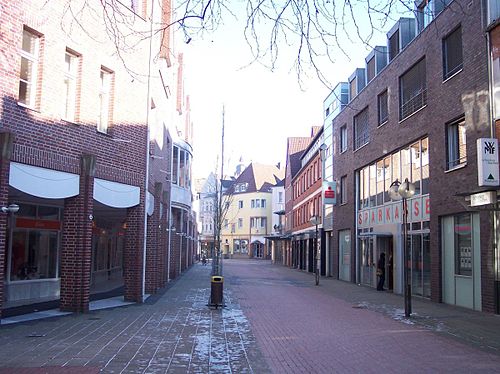
Coesfeld is a charming town located in North Rhine-Westphalia, Germany, specifically in the district of the same name. Nestled in the Münsterland region, it lies approximately 30 kilometers northwest of Dortmund and 20 kilometers east of Münster. With a population of around 35,000 inhabitants, Coesfeld serves as an important service and administrative center for the surrounding rural areas. The town boasts a rich history that dates back to the Middle Ages, with its first documentation appearing in the year 1255. Coesfeld was granted town rights in 1306, reflecting its growth and significance during that period.
The historical architecture of Coesfeld captures the essence of its past, with notable landmarks such as the St. Jacob’s Church, a remarkable Gothic structure completed in the late 15th century. This iconic church, known for its impressive twin spires and intricate stained glass windows, stands as a symbol of the town’s cultural heritage. Coesfeld also features several half-timbered houses and a quaint town square that enhances its picturesque charm. The local economy has traditionally revolved around agriculture, crafts, and trade, and in recent years, it has diversified to include sectors such as healthcare and education. The town is home to various educational institutions, contributing to its vibrant community life.
Coesfeld is also characterized by its strong connection to nature, with numerous parks and green spaces that encourage outdoor activities and leisure. The surrounding Münsterland region, known for its scenic bike paths and rolling landscapes, attracts outdoor enthusiasts. Additionally, the town hosts several annual events and festivals, fostering a sense of community and cultural engagement among its residents. Overall, Coesfeld is a vibrant town that balances its rich historical roots with modern living, making it an appealing place for both residents and visitors alike.
Facts about Coesfeld
- Coesfeld is known for its charming medieval town center, featuring well-preserved buildings that reflect its rich history dating back to the 12th century.
- The city is home to the Coesfeld Cathedral (St. Lamberti), which is a stunning example of Gothic architecture and serves as a prominent landmark.
- Coesfeld played a significant role in the history of the Münsterland region, particularly during the Peace of Westphalia, which ended the Thirty Years' War in the 17th century.
- The city is surrounded by scenic countryside, including the beautiful nature reserve of 'Haard,' making it a popular destination for outdoor enthusiasts.
- Coesfeld is notable for its 'Maibaum' (maypole) tradition, which is celebrated annually, involving the raising of a decorated pole to mark the beginning of spring.
- It hosts the Coesfeld Folk Festival, an annual event that celebrates local culture, music, and crafts, attracting visitors from across the region.
- Coesfeld has a strong agricultural heritage and is known for its dairy farming, contributing to the region's reputation for high-quality dairy products.
- The city features remnants of the historical town fortifications, including a preserved section of the town wall, offering a glimpse into its past defenses.
- Coesfeld is part of the 'Kunst- und Kulturroute,' a cultural route that showcases the city's commitment to arts and cultural events throughout the year.
- The town is well-connected via the local train system, making it a convenient base for exploring the broader North Rhine-Westphalia region.