Collegno, Italy
- 46,524 people
- 16 places to visit
- 45.0727, 7.5738
Places to Visit (16)
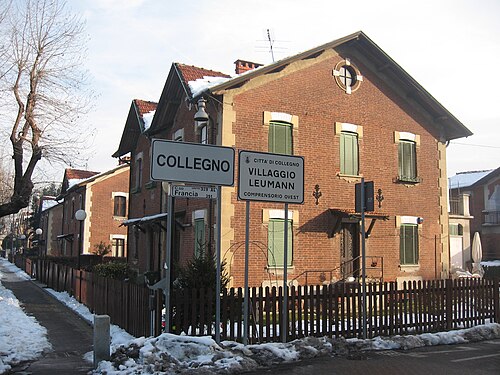
Collegno is a municipality located in the province of Turin, in the Piedmont region of northern Italy. Situated just a few kilometers west of the city of Turin, Collegno is part of the metropolitan area and serves as a suburban enclave for many who work in the larger urban center. The town covers an area of approximately 13.6 square kilometers and is characterized by a rich history that dates back to ancient times. It was first documented in the 12th century and has evolved significantly over the centuries, transitioning from a rural settlement to a more urbanized community, particularly during the industrial revolution of the late 19th and early 20th centuries.
Collegno is known for its charming historical architecture, including notable landmarks such as the Royal Villa of Collegno, which was built in the 18th century. This villa, with its beautiful gardens, serves as a symbol of the area’s aristocratic past and is a popular site for visitors. The town also features several churches, parks, and public spaces that enhance its aesthetic appeal. Modern Collegno offers a blend of residential areas, commercial zones, and local services, making it attractive for families and professionals alike. The area is well-connected by public transportation, including trams and trains, facilitating easy access to Turin and surrounding areas.
In recent years, Collegno has embraced modernization while preserving its historical identity. The local government has focused on improving infrastructure, enhancing public services, and promoting environmental sustainability. Events celebrating local culture, including fairs and festivals, are commonly held throughout the year, fostering a sense of community among residents. The town is equipped with schools, shops, and recreational facilities, catering to the needs of its inhabitants. As part of the broader Turin metropolitan area, Collegno continually attracts new residents drawn by its quality of life, accessibility, and rich cultural heritage.
Facts about Collegno
- Collegno is known for its historic significance in the development of the nearby city of Turin, often considered a suburban extension of the capital of the Piedmont region.
- The city is home to the impressive Villa Lascaris, a 17th-century villa that features stunning frescoes and elaborate gardens, distinguishing it from many other municipalities.
- Collegno boasts an ancient Roman origin, with archaeological remains from this era still visible, setting it apart from more modern settlements in Italy.
- The city has a unique blend of urban and green spaces, including the vast Parco della Certosa, which is a notable destination for outdoor activities in the region.
- Collegno is known for its vibrant cultural scene, hosting events like the annual 'Festival della Luce,' focused on art installations and light displays, making it a cultural highlight in the Piedmont area.
- The city has a rich architectural heritage, featuring a mix of Baroque, Neoclassical, and modern buildings that reflect its historical evolution.
- Collegno also plays an important role in the region's transportation network, with key access points to both local and national rail services, contributing to its significance in connecting nearby areas.
- The local cuisine in Collegno includes unique Piedmontese dishes, such as 'agnolotti' and 'bagna cauda,' offering a taste experience that reflects the region’s culinary traditions.
- Collegno is notable for housing the former psychiatric hospital 'Ospedale Psichiatrico di Collegno,' which has significant historical significance in the evolution of mental health treatment in Italy.
- Throughout history, Collegno has been a hub for artisans and craftsmen, contributing to the region's reputation for high-quality craftsmanship and artisanal goods.